8:59in productionCh. 1 · The Word Arrives First/ 8:59 · ceiling 15 min
Food
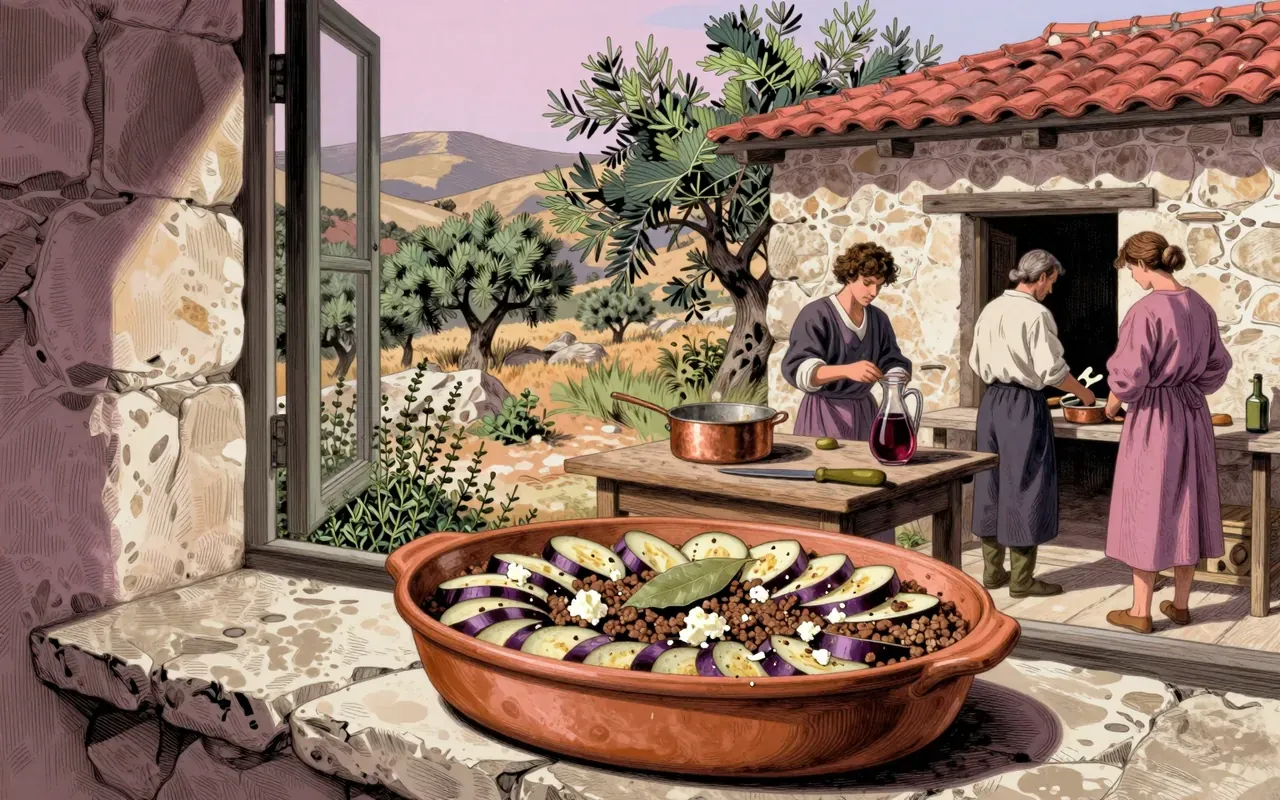
Moussaka
Moussaka isn’t Greek heritage—it’s an empire’s echo chamber.
Moussaka is not one dish. It is a name that travelled across empires, carrying different ingredients, structures, and claims. Its modern Greek form was codified in the 1920s—not unearthed from history. That act of codification displaced older, overlapping versions from Ottoman and Arabic kitchens. It matters because it reveals how national cuisine is curated, not inherited.
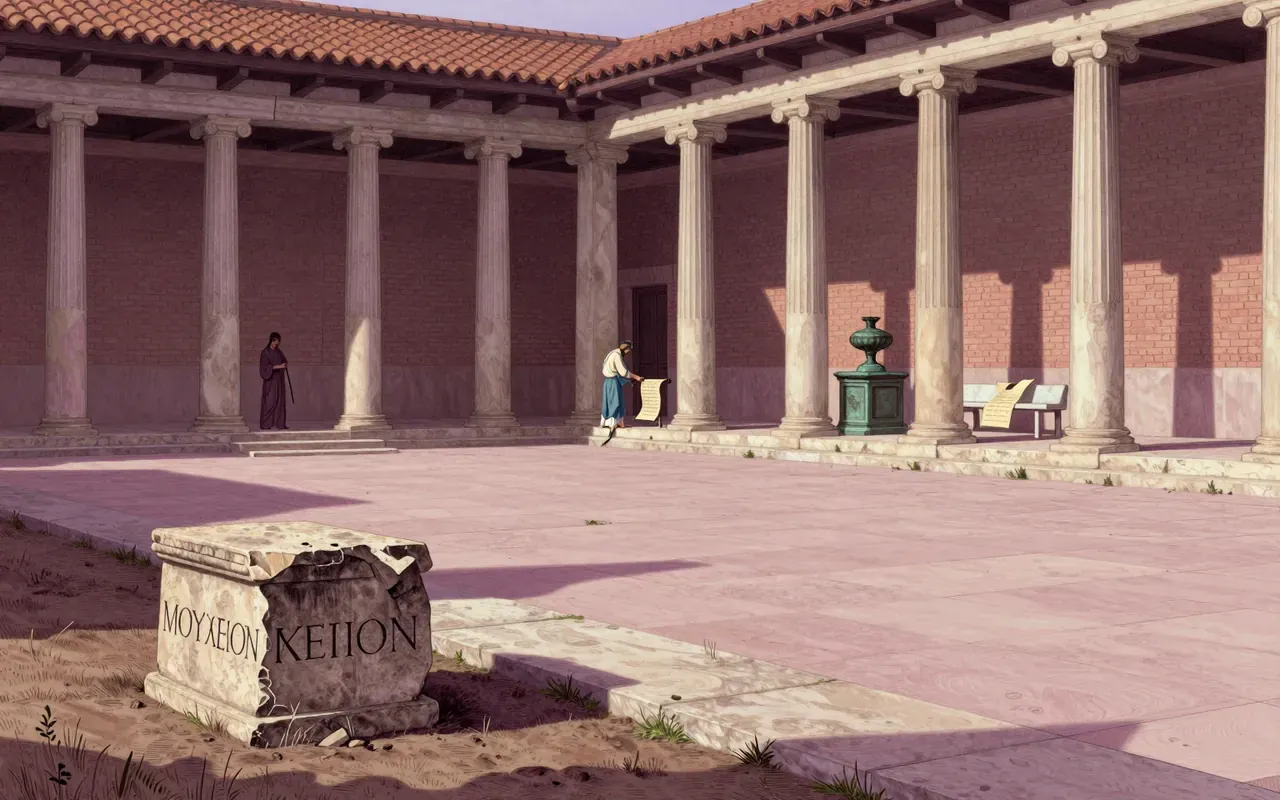
The word ‘moussaka’ entered English in 1862—not via Greece, but via a Turkish cookbook translation.
2:10
Layered Before Greece
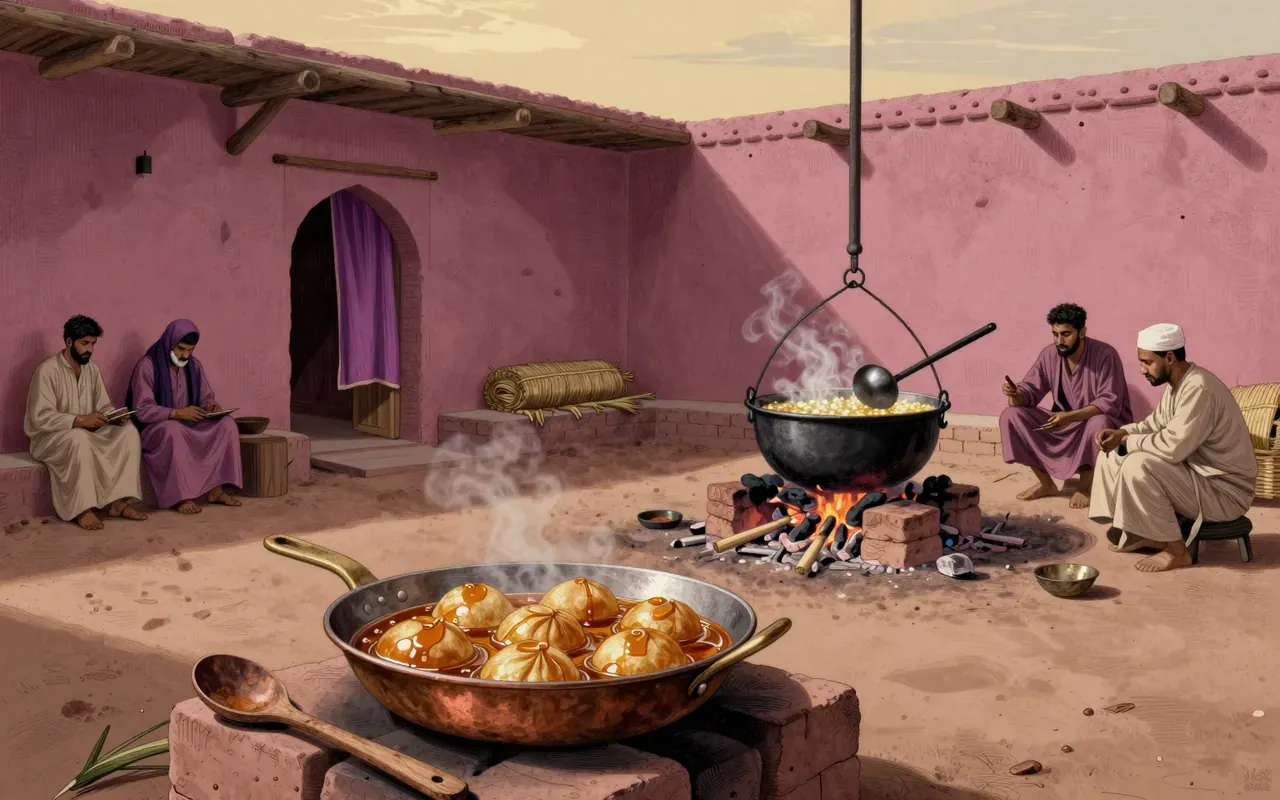
A 13th-century Arabic dish called maghmūmat used layered eggplant and spiced meat—but it has no proven link to the modern Greek version.
3:57
Ottoman and Arabic Precedents
Ottoman and Arabic cookbooks from the 1860s–1890s contain multiple recipes for moussaka-like dishes—long before the Greek version existed.
5:45
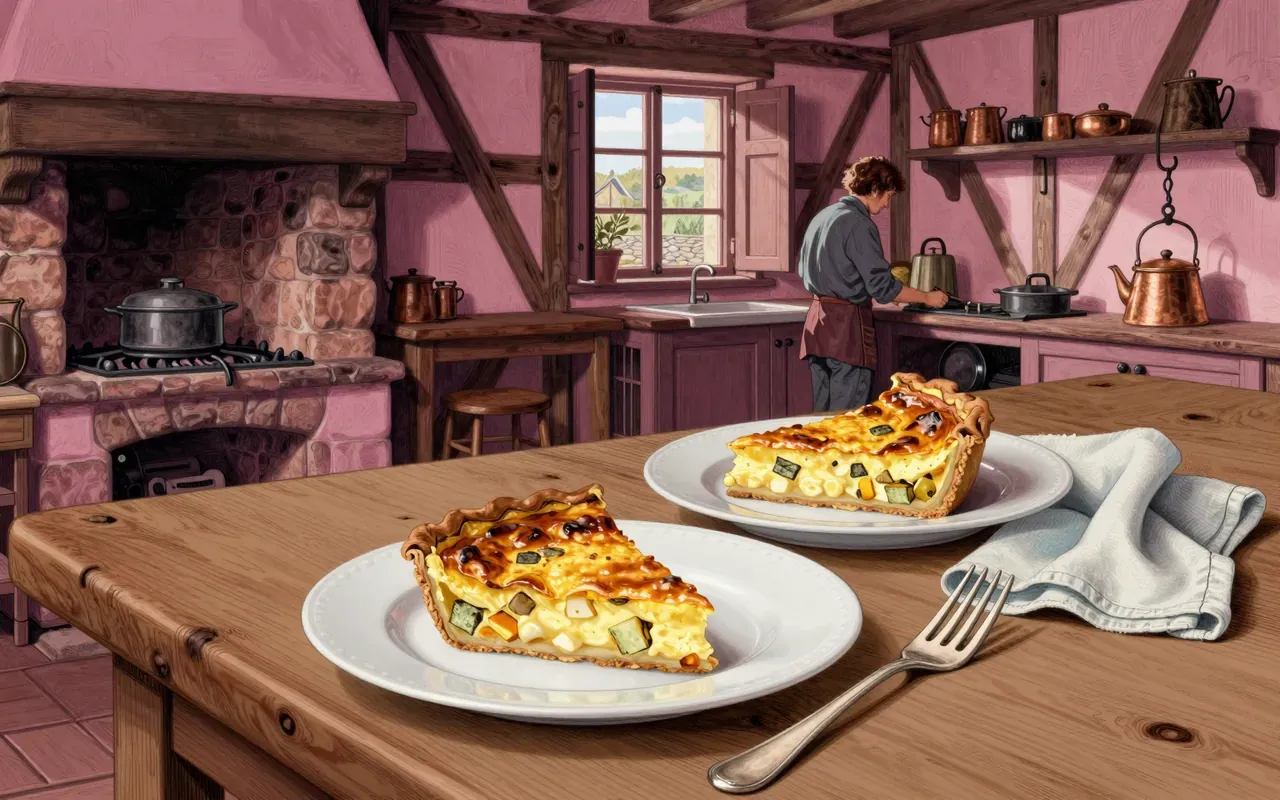
Invented in the 1920s
The Greek moussaka was invented in the 1920s—not recovered from antiquity—as part of a nationalist culinary project.
Worth your time?
Yes. Study the whole thing.
4.5/ 5
What works
exposes the gap between what happened and what it now stands for
uses only verifiable textual evidence
names every source and date it cites
What does not
claims influence on chefs or movements
attributes popularity to authenticity
calls it a symbol of Greek identity without qualification
Study it if
readers who question culinary nationalism
historians of empire and translation
cooks tired of origin myths
Skip it if
those seeking a definitive recipe
readers who want cultural praise unmoored from evidence
people looking for travel-guide endorsements
The written brief1 min read
What the thing is
Moussaka is a baked or stewed layered dish built around eggplant (or potato) and spiced minced meat.
Where it came from
The word entered English in 1862 from a Turkish cookbook. Recipes appear in 19th-century Ottoman and Arabic sources. The modern Greek version was formalised in the 1920s by Nikolaos Tselementes.
What it gets right
It acknowledges layered origins. It does not pretend a single nation owns the dish.
What it gets wrong
It implies continuity between maghmūmat and moussaka. The 13th-century Arabic dish shares structure but no documented lineage to the Greek version.
Why it matters now
It exposes how national cuisines are edited constructs—not discovered traditions—especially when colonial and imperial histories are erased from the narrative.
Is it worth your time
Yes—if you care about how food names travel, settle, and get rewritten across empires.