9:55in productionCh. 1 · What makes mead mead?/ 9:55 · ceiling 15 min
Food · Ideas
Mead
Mead isn’t mythology—it’s honey, water, and time, proven across 9,000 years.
Mead is fermentation’s first known form—not because it was ‘discovered’ in one place, but because honey + water + time works everywhere. Its longevity proves nothing about taste or status, but everything about human ingenuity with available sugars. It predates beer and wine archaeologically. It survives not through continuity, but through repeated reinvention—metheglin, melomel, hydromel—each name a functional adaptation, not a tradition.
Mead is defined by honey-derived fermentable sugar—not fruit, grain, or rice.
2:23
Where does it begin?
Chemical traces in 7000 BCE Chinese pottery and the Rigveda’s soma are the oldest verifiable anchors.
4:32
It’s not just sweet wine
It ranges from 3.5% to over 20% ABV—and can be dry, sweet, still, or sparkling.
5:40
Names, not myths
Spiced mead is metheglin. Fruit mead is melomel. Myth gave it magic—but not uniformity.
Worth your time?
Yes. Study the whole thing.
4/ 5
What works
as evidence of cross-continental fermentation practice
as a functional category that resists romanticisation
as a reminder that ‘alcohol’ began with what was already sweet
What does not
define a movement
influence named artists
displace other drinks contemporaneously
represent a unified cultural practice
Study it if
historians of food
fermentation practitioners
readers of ancient texts
Skip it if
casual drinkers seeking novelty
those who conflate age with quality
The written brief1 min read
What the thing is
Mead is an alcoholic beverage made by fermenting honey mixed with water. Its defining trait is that most fermentable sugar comes from honey.
Where it came from
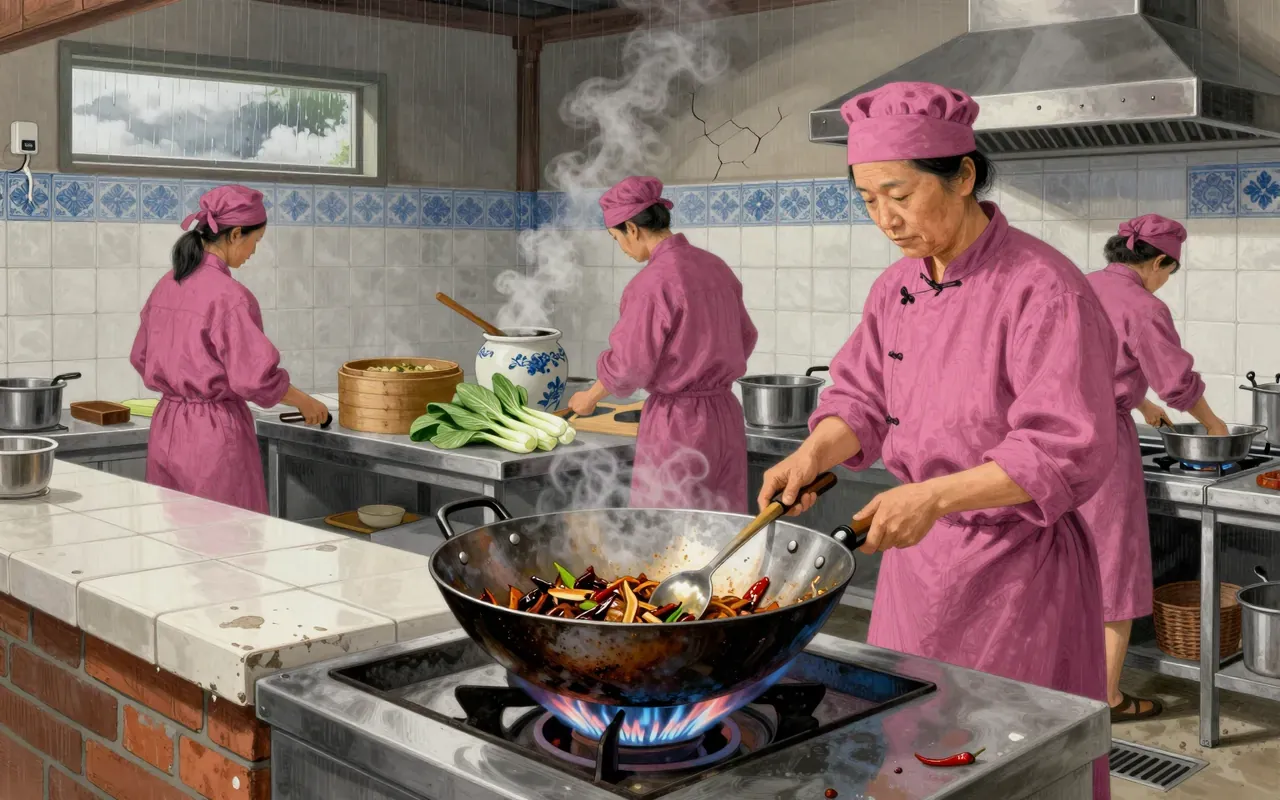
Archaeological evidence from northern China dates to at least 7000 BCE. The earliest surviving written reference is possibly the soma in the Rigveda, dated 1700–1100 BCE.
What it gets right
It establishes honey as the original fermentable sugar. It accommodates variation: dry or sweet, still or sparkling, spiced or fruit-infused. Its definition is precise and functional.
What it gets wrong
It invites mythological overreach. The Rigveda’s soma is only possibly mead. The Chinese pottery contains honey and rice—so it is not pure mead, and may be a hybrid beverage.
Why it matters now
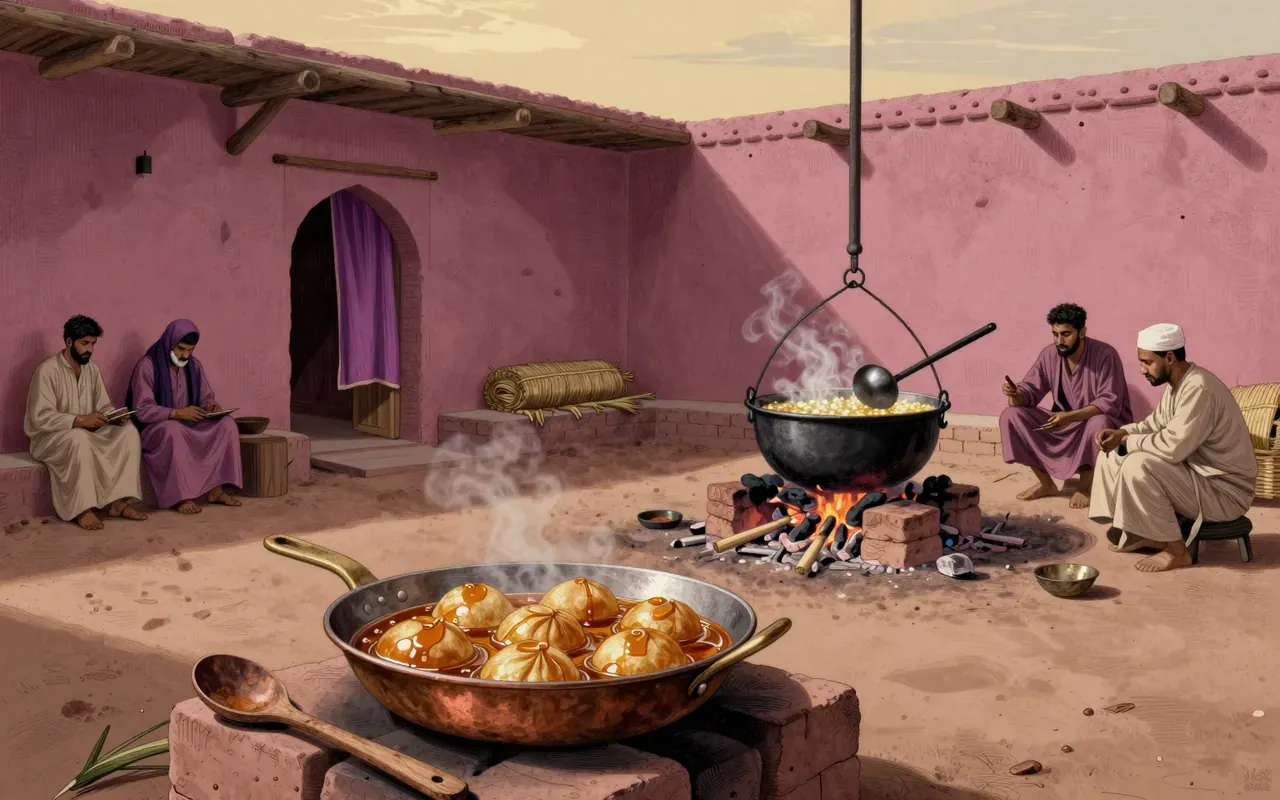
It reframes fermentation not as a modern craft revival but as a continuous thread across continents and millennia—Europe, Africa, and Asia all produced it, and all embedded it in myth.
Is it worth your time
Yes—if you care about fermentation as human history, not just a trend.