10:01in productionCh. 1 · What Laksa Is/ 10:01 · ceiling 15 min
Food · Society
Laksa
Laksa is not fusion cuisine — it is the edible record of Peranakan women remaking survival into sovereignty.
Laksa is a spicy noodle dish popular across Southeast Asia, built around thick rice noodles, polarised broths (coconut-rich or tamarind-soured), and seafood or poultry toppings. It originates from Peranakan Chinese cuisine, with documented variants introduced by Peranakan communities in Malacca and co-created with Singaporean Malays. A 1391 Javanese inscription and 1846 English reference confirm its early presence. The Baduy Sundanese community in Banten province holds an annual ngalaksa harvest ceremony — linking laksa to agrarian ritual. Its linguistic roots reach into Persian and Old Javanese. Laksa is not a monolith: its variations reflect trade routes, marriage patterns and local ecology — not just taste.
Laksa is defined by structure: noodles, broth polarity (coconut or sour), and protein toppings — not heat alone.
2:11
Who Made It
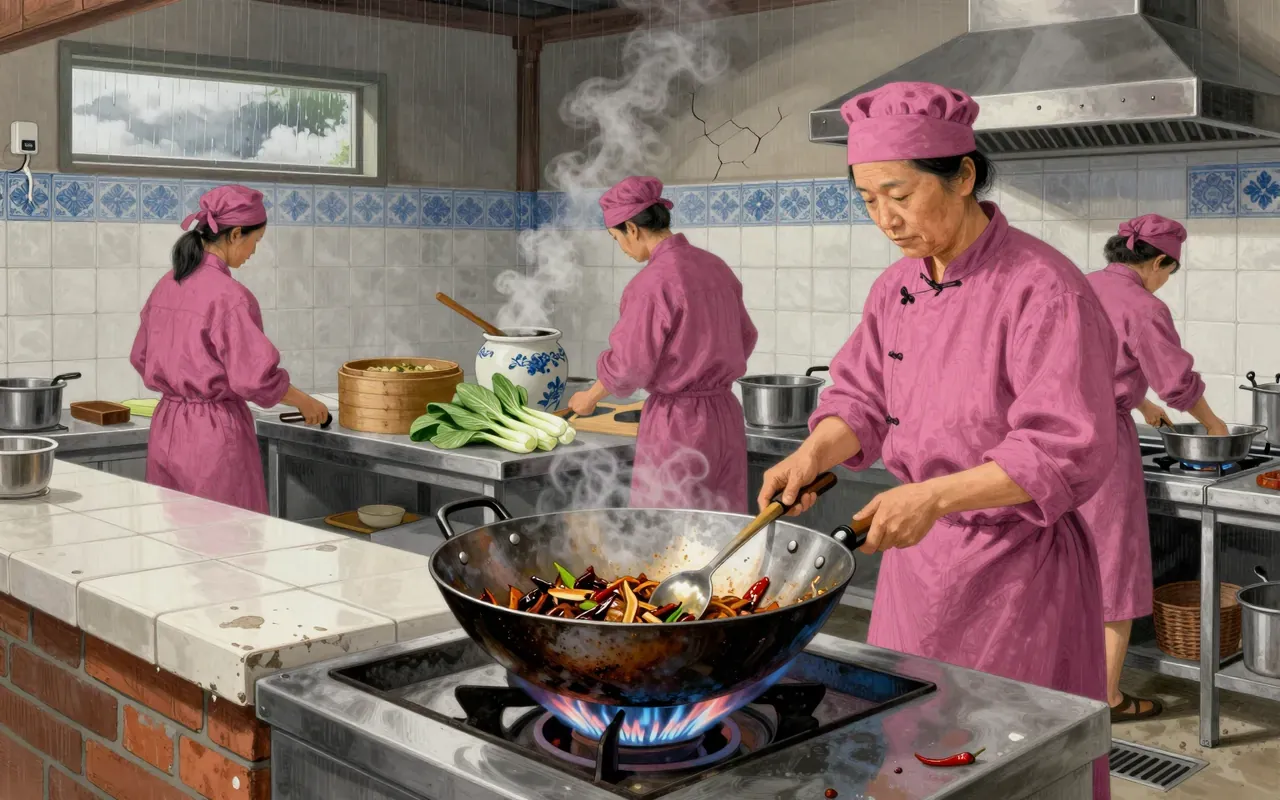
Peranakan Chinese origin is non-negotiable — but laksa was never made by men alone. It was forged in kitchens where Chinese migrants married local women who fused traditions.
4:12
Where It Landed
Malacca and Singapore are not just locations — they are evidence of laksa’s port-city logic: movement, mixing, and mercantile intimacy.
6:14
When It Becomes Ceremony
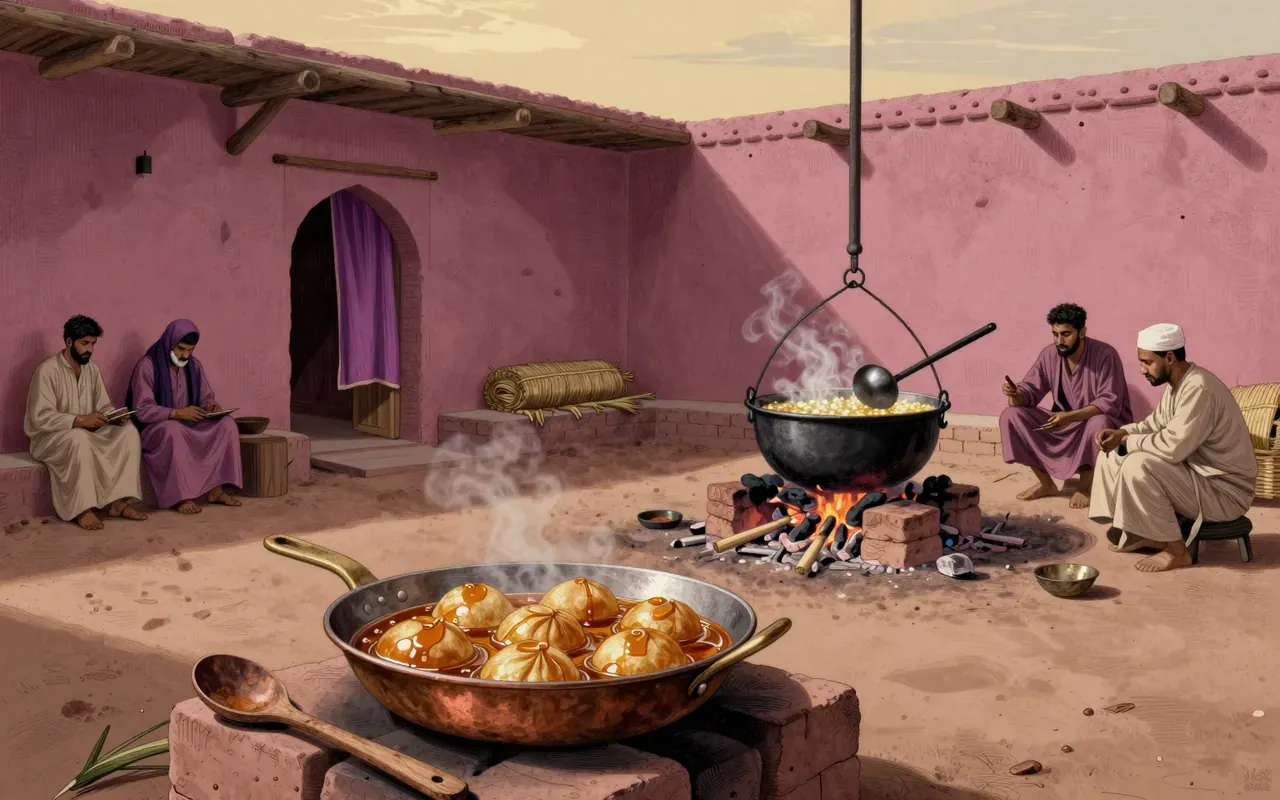
The Baduy ngalaksa ceremony proves laksa is not just food — it is ritual infrastructure, embedded in Sundanese agrarian life.
Worth your time?
Yes. Study the whole thing.
4.5/ 5
What works
as a counter-narrative to nation-state food branding
as evidence of women’s undocumented culinary authorship
as a lens for ritual continuity in marginalised communities
What does not
fusion cuisine
national dish
street food only
modern invention
Study it if
people studying how food encodes gendered labour
readers tracking pre-colonial trade linguistics
those questioning 'authenticity' as a colonial construct
Skip it if
anyone seeking a simple recipe guide
those assuming laksa is Thai or Vietnamese
The written brief1 min read
What the thing is
Laksa is a spicy noodle dish popular across Southeast Asia. It uses thick rice noodles. It relies on either rich coconut curry soup or sour broth (tamarind or asam gelugur). Toppings include chicken, prawns or fish.
Where it came from
Laksa originates from Peranakan Chinese cuisine. The earliest variant in Malaysia came via Peranakan Chinese in Malacca. In Singapore, it emerged from interaction between Peranakan Chinese and local Singaporean Malays. Its roots trace linguistically to Persian ‘lāḵisha’ and Kawi ‘hanglaksa’. A 1391 Javanese inscription and 1846 English-language mention confirm early presence.
What it gets right
It centres Peranakan Chinese women’s culinary labour as the engine of fusion. It embeds ritual meaning — like the Baduy ngalaksa harvest ceremony — not as folklore but as living practice.
What it gets wrong
It flattens regional variation into a single ‘spicy noodle dish’ label. The document names distinct structural logics — coconut curry versus tamarind-soured broths — but the framing obscures how deeply those differences divide taste, technique and belonging.
Why it matters now
It matters now because laksa reveals how hybridity is not abstract — it is cooked, served, ceremonial, and contested. Its persistence challenges nationalist food narratives that erase intermarriage, trade and local agency.
Is it worth your time
Yes — if you want to understand how food encodes migration, adaptation and quiet resistance in Southeast Asia.