8:26in productionCh. 1 · No rice. No steam. No fermentation./ 8:26 · ceiling 15 min
Food
Idli
Idli isn’t ancient—it’s medieval. And its real innovation wasn’t taste, but control over microbes.
Idli is a fermented, steamed rice-and-lentil cake from South India and Sri Lanka. Its precursors date to 920 CE, but the modern version—with rice, long fermentation, and steaming—only appears after 1250 CE. It correctly exploits lactic acid bacteria for reliable leavening. It wrongly claims antiquity and rice-centrality. It matters now as evidence of how culinary knowledge accumulates silently, microbially, and regionally. Worth your time if you want to see tradition as process, not relic.
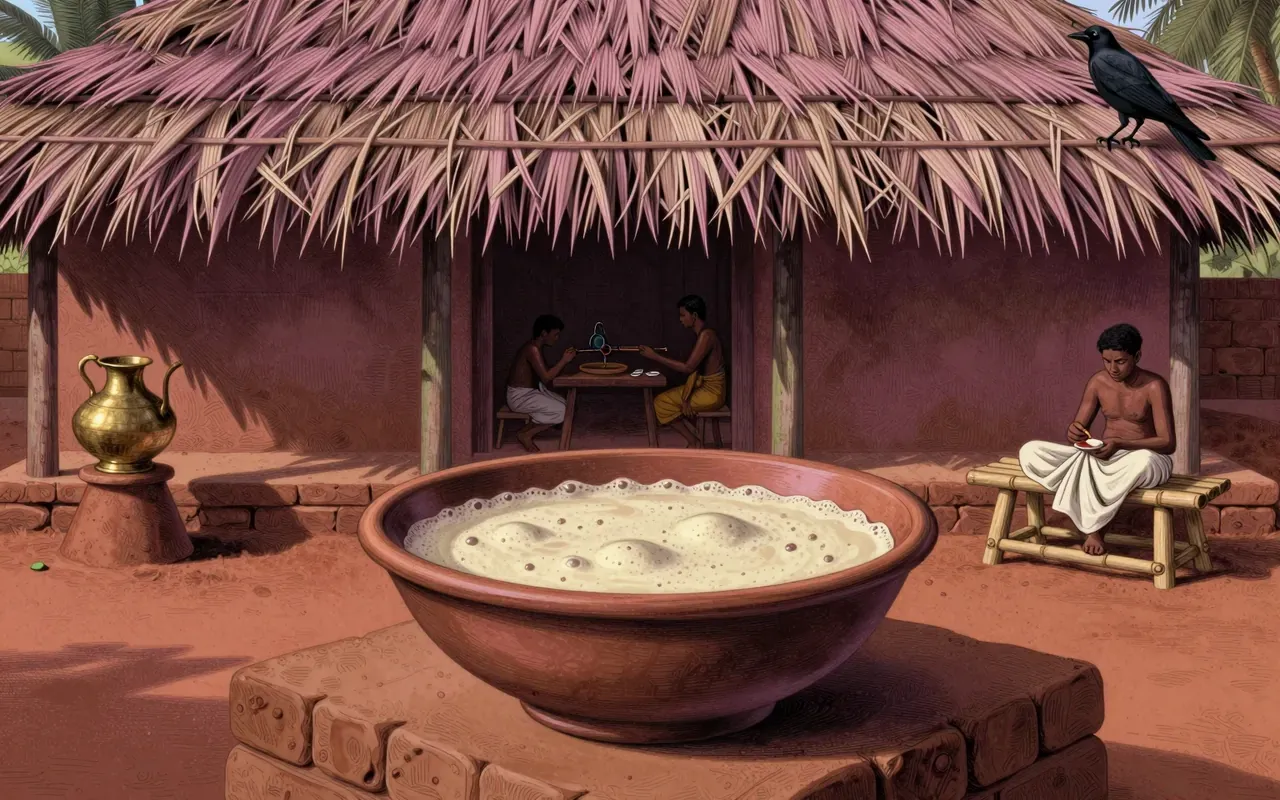
The earliest idli-like food used only black gram soaked in buttermilk—no rice, no fermentation, no steam.
1:38
A Sanskrit name, not a modern recipe
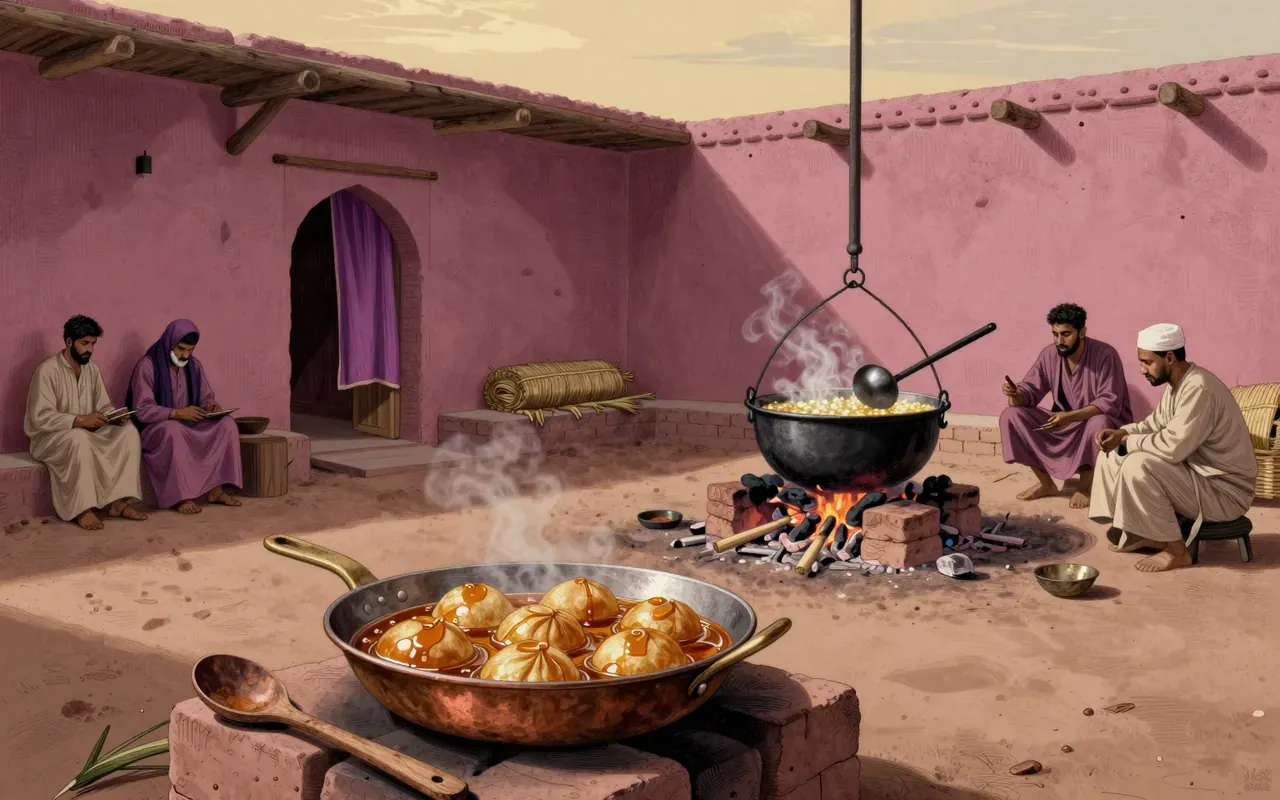
Someshwara III named it iḍḍarikā in 1130 CE—but still omitted rice, long fermentation, and steaming.
2:53
The modern idli is medieval, not ancient
Rice, overnight fermentation, and steaming—the hallmarks of idli—appear only after 1250 CE.
3:55
Precision in preparation, not intuition
Four parts rice to one part black gram, soaked separately, ground differently, then fermented until volume more than doubles.
4:38
Semolina is a 20th-century detour
Rava idli proves the form is adaptable—but it’s a modern shortcut, not a historical variant.
Worth your time?
Yes. Study the whole thing.
4.5/ 5
What works
Lokopakara (c.1025 CE)
Manasollasa (1130 CE)
What does not
culture/arts
culture/cities
culture/fashion
culture/generations
Study it if
food historians
microbiologists interested in traditional fermentation
cooks who question 'authentic' recipes
Skip it if
casual diners seeking restaurant recommendations
readers looking for health claims or diet trends
The written brief1 min read
What the thing is
Idli is a fermented, steamed cake made from rice and black gram batter.
Where it came from
It originated in South India and Sri Lanka. The earliest documented precursor appears in Lokopakara (c.1025 CE). Someshwara III recorded iḍḍarikā in Manasollasa (1130 CE). The modern recipe—with rice, long fermentation, and steaming—emerges only after 1250 CE.
What it gets right
It harnesses lactic acid bacteria from black gram to ferment batter overnight. Volume more than doubles. Steaming delivers consistent, fluffy cakes.
What it gets wrong
It is routinely misdescribed as ancient and rice-based. Historical precursors used only black gram, no rice, no long fermentation, no steaming.
Why it matters now
It reveals how fermentation was domesticated before refrigeration, how regional cuisines codified microbial knowledge, and how ‘tradition’ obscures technical evolution.
Is it worth your time
Yes—if you care how food encodes microbiology, regional power shifts, and the slow accumulation of technique.