9:31in productionCh. 1 · Zürich, not the Alps/ 9:31 · ceiling 15 min
Food · Society
Fondue
Fondue isn’t tradition—it’s cheese marketing that learned to serve itself at the table.
Fondue is a Swiss cheese-and-wine dish, prepared communally in a caquelon over a réchaud. Its earliest modern recipe dates to 1698 in Zürich. It was promoted as a national dish by the Swiss Cheese Union in the 1930s to boost cheese sales. Corn starch (introduced 1905) stabilised the emulsion. The term ‘fondue’ was extended to other hot-pot dishes in 1950s New York. Konrad Egli launched fondue bourguignonne in 1956 and chocolate fondue in the mid-1960s for Toblerone.
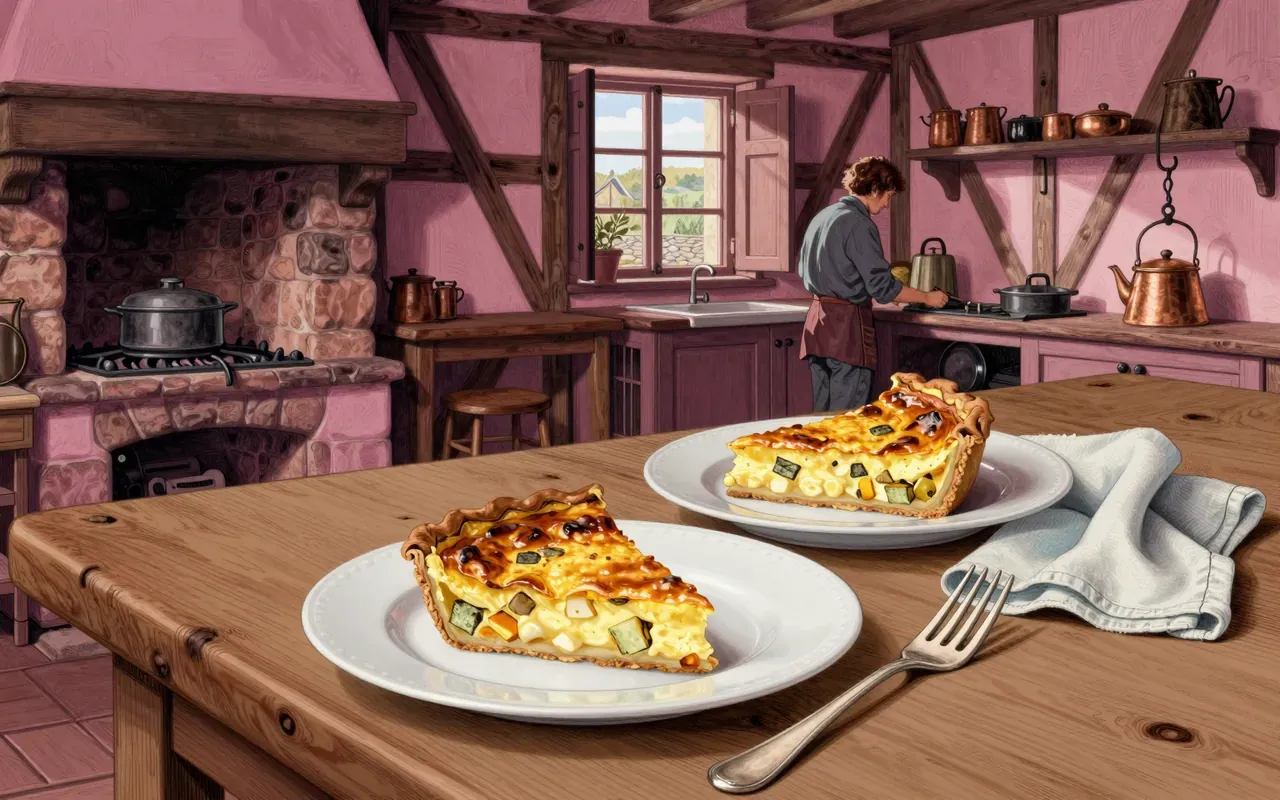
The first modern fondue recipe appeared in Zürich in 1698—not in Alpine huts, but in print.
2:31
A dish invented twice
The Swiss Cheese Union branded it a national dish in the 1930s to sell more cheese.
3:48
The emulsion that sold Switzerland
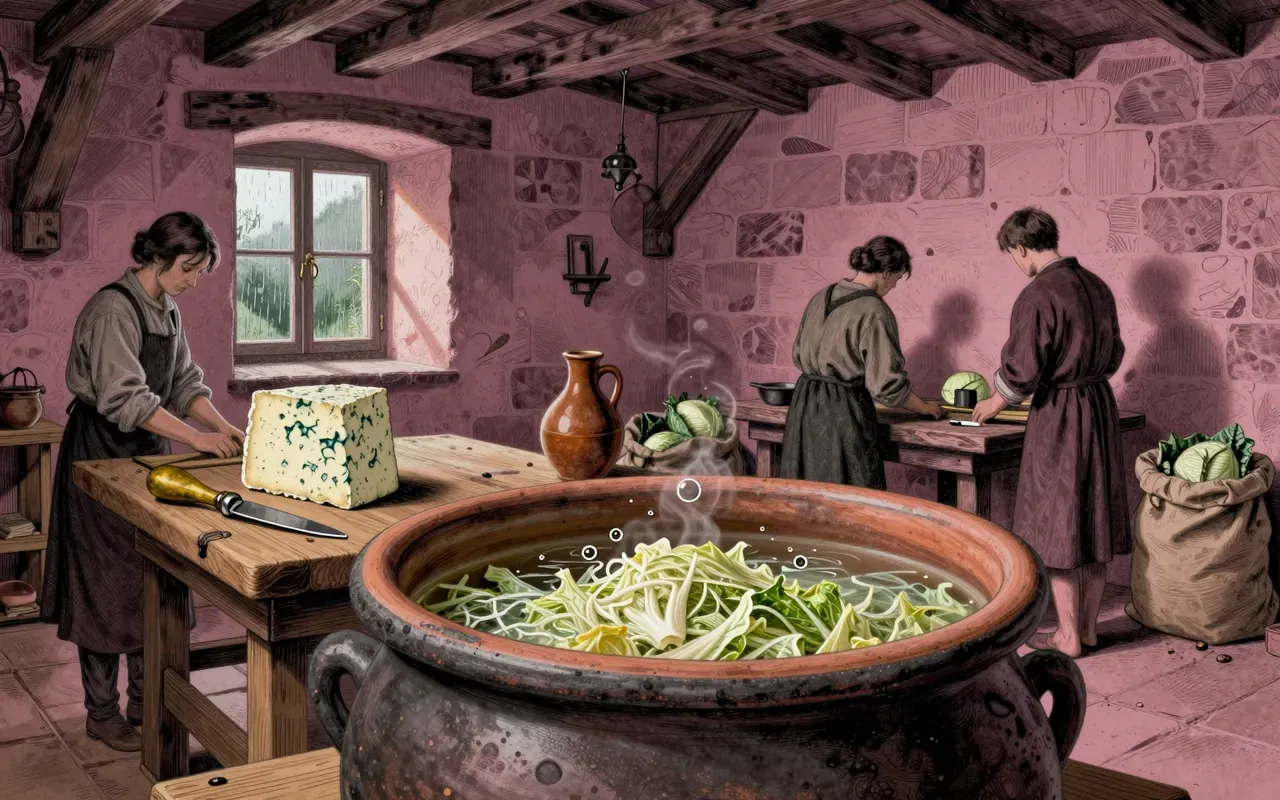
Corn starch, introduced in 1905, made fondue stable—and therefore scalable.
5:24
From Chalet Suisse to Toblerone
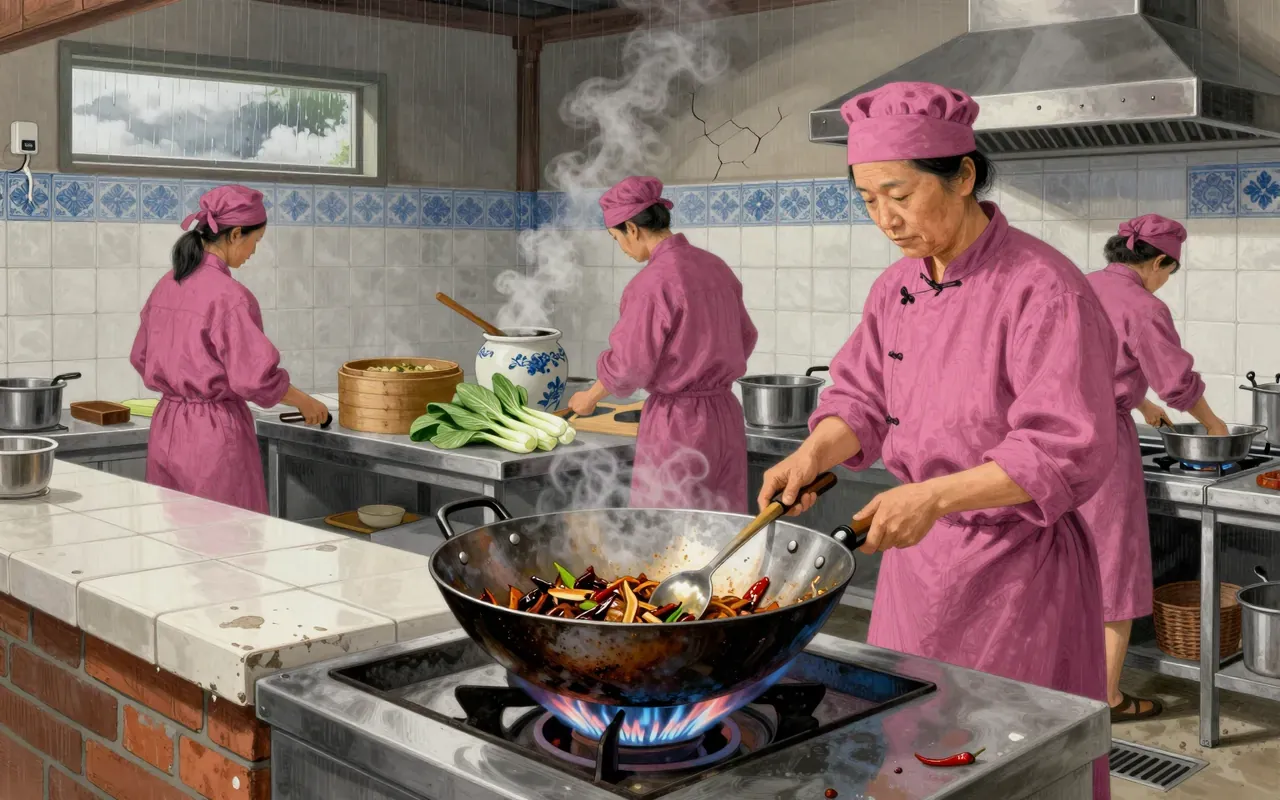
New York rebranded 'fondue' in the 1950s; Konrad Egli turned it into meat and chocolate for profit.
Worth your time?
Yes. Study the whole thing.
4/ 5
What works
as a case study in edible nation-building
as proof that stability (corn starch) enables scale
as evidence that branding precedes tradition
What does not
culture/art
culture/arts
culture/cities
culture/fashion
Study it if
people who study how rituals are manufactured
readers tracking the life cycle of a food trend
anyone suspicious of ‘national dish’ claims
Skip it if
people seeking culinary authenticity
historians of pre-modern Alpine life
chefs looking for technique innovation
The written brief1 min read
What the thing is
Fondue is melted cheese and wine served in a communal pot over a portable stove. People dip bread using long-stemmed forks.
Where it came from
It originated in Zürich, with the earliest known modern recipe published there in 1698. It was repackaged as a national symbol by the Swiss Cheese Union in the 1930s.
What it gets right
It turns cheese, wine and bread into a shared, tactile, social act. The communal pot demands participation. The long forks enforce distance and order.
What it gets wrong
It pretends to be ancient tradition while being a 20th-century commercial construct. The 1698 Zürich recipe is real—but the ‘Swiss national dish’ label was applied decades later, by a trade body with sales targets.
Why it matters now
It shows how a simple cooking method can be scaled into cultural infrastructure—then exported, renamed, and reinvented for new markets and products.
Is it worth your time
Yes—if you care how food becomes national myth, or how marketing invents ritual.