culturebriefs
9:23in productionCh. 1 · Origin/ 9:23 · ceiling 15 min
Food · Society

Falafel

Falafel is Egyptian. Everything else is gastronationalism.

Falafel is Egyptian. Its spread across the Middle East post–World War I—and adoption in Israel during rationing—did not change that. Regional variations (fava vs. chickpea, flatbread vs. meze) are real. Nationalist claims are not.

Chapters & takeaways4
  1. 0:54
    Origin

    Falafel is Egyptian—not Levantine, not Israeli, not Palestinian.

  2. 2:41
    Method

    Fava beans in Egypt; chickpeas in the Levant—soaked, never cooked, before grinding.

  3. 4:01
    Form

    It functions as sandwich, meze, or snack—never a main course, always modular.

  4. 5:19
    Timeline

    Its 19th-century Egyptian roots contradict modern claims of ancient or indigenous Levantine origin.

Worth your time?

Yes. Study the whole thing.

4.5/ 5
What works
  • grounds argument in documented origin and method
  • names the gap between what falafel is and what it is made to stand for
What does not
  • claims influence beyond what the sources state
  • attributes invention to any individual or group not named
  • confuses contemporary popularity with historical significance
Study it if
  • readers tracking how food acquires political weight
  • those tired of uncritical ‘global street food’ framing
Skip it if
  • readers seeking culinary technique deep dives
  • those looking for restaurant recommendations or recipes
The written brief1 min read

What the thing is

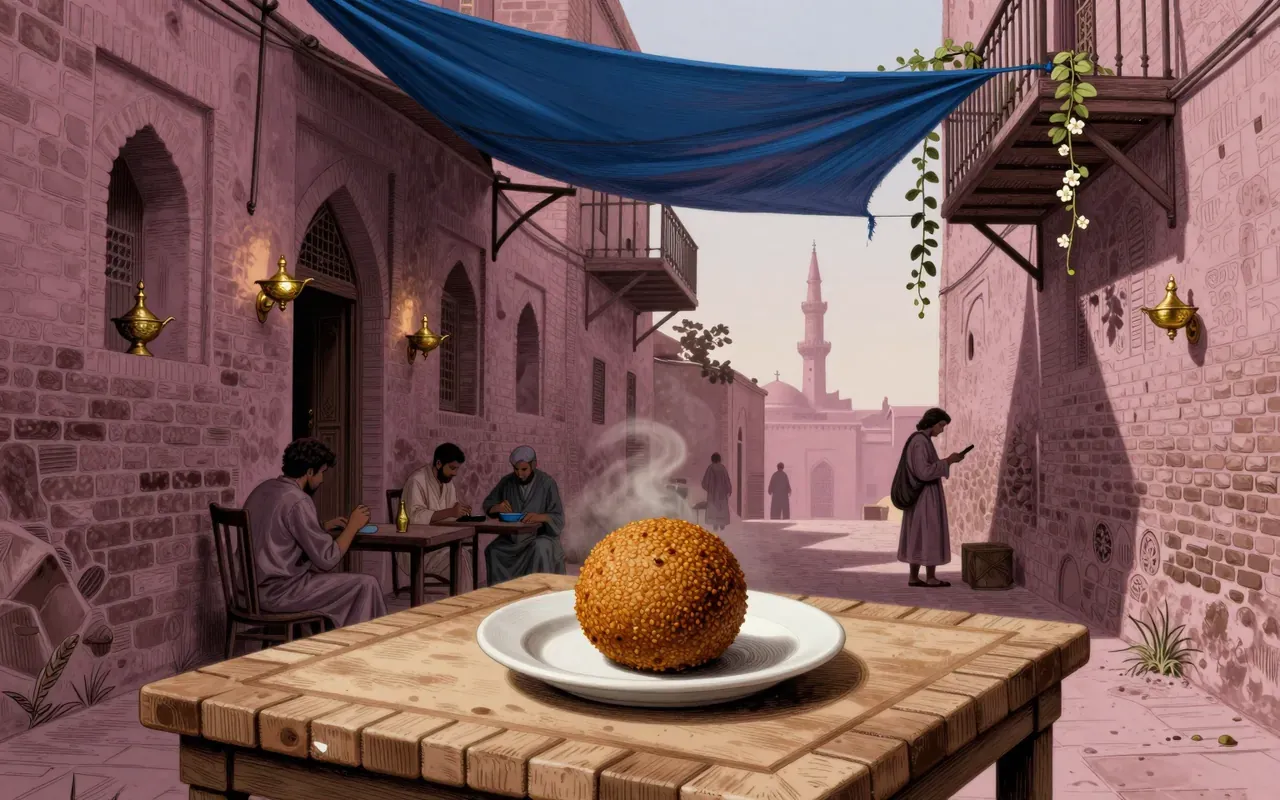
Falafel is a deep-fried fritter, ball- or patty-shaped, made from soaked, uncooked legumes ground with herbs and spices.

Where it came from

It emerged in Egypt in the 19th century, most likely as a fava-bean dish, with chickpea versions developing later in the Levant.

What it gets right

It delivers dense, herb-flecked texture and deep savoury heat in a portable, scalable form. It works as snack, meze, or sandwich without needing meat or dairy.

What it gets wrong

It is routinely claimed as national property—by Israel, Palestine, Lebanon—despite Egyptian origin and 19th-century documentation. This erases its actual history for symbolic gain.

Why it matters now

It exposes how everyday food gets drafted into nationalist narratives—while remaining widely eaten across lines those narratives try to harden.

Is it worth your time

Yes—if you care how food becomes a site of contest, not just consumption.

Same beat · Food4 of 210
Up next in Culture

History of fashion design

· 8:54

Fashion design began when someone stopped making clothes for clients — and started telling them what to wear.

8:54