culturebriefs
9:15in productionCh. 1 · The End of the Season/ 9:15 · ceiling 15 min
Subcultures

2020s in fashion

2020

Nostalgia wasn’t a mood in the 2020s—it was the operating system.

The 2020s in fashion was not a style era but an infrastructure shift: microtrends replaced seasons, influencers replaced editors, and nostalgia replaced originality—not as aesthetic preference but as operational default.

Chapters & takeaways5
  1. 0:49
    The End of the Season

    Trend cycles shrank to weeks, not seasons—driven by social media velocity, not runway calendars.

  2. 1:56
    Multi-Era Sampling

    Eclecticism wasn’t playful—it was forensic: late 70s tailoring, mid-00s denim, 40s silhouettes, all treated as modular parts.

  3. 3:23
    Tastemakers Without Titles

    Influencers and niche communities didn’t reflect taste—they generated it, turning Discord threads into launchpads.

  4. 4:40
    Pandemic Retail Shift

    Depop and Etsy grew not because of ‘vintage cool’ but because lockdown killed physical retail and forced resale into the mainstream.

  5. 5:35
    Fast Fashion’s Algorithmic Turn

    Shein and Temu didn’t just use TikTok—they built supply chains that could turn a viral clip into a shipped garment in under ten days.

Worth your time?

Yes. Study the whole thing.

4/ 5
What works
  • 2020s in fashion
What does not
  • iconic
  • groundbreaking
  • seminal
Study it if
  • cultural strategists
  • retail technologists
  • platform designers
Skip it if
  • historians of haute couture
  • design students seeking craft lineage
The written brief1 min read

What the thing is

A fashion decade defined by shortened social media trends and nostalgia for older aesthetics.

Where it came from

From pandemic-induced retail disruption, the rise of TikTok and Instagram as core marketing tools for fast fashion giants like Shein and Temu, and the shift of tastemaking power to niche online communities and influencers.

What it gets right

It captures the collapse of trend longevity. Microtrends replaced seasonal cycles. Niche revivals—Indie sleaze, Modern Medieval, mid-century—were not pastiche but functional sampling, pulled from memory banks and reassembled for platform visibility.

What it gets wrong

It treats nostalgia as stylistic choice, not structural necessity. The 2020s did not revive the 1970s or 1940s because they were desirable—it reached for them because pandemic isolation hollowed out present-tense cultural production.

Why it matters now

Because it established the template for post-pandemic cultural production: speed over coherence, platform-native form over physical context, and resale-driven commerce over linear brand storytelling.

Is it worth your time

Yes—if you need to understand how fashion became a real-time feedback loop between algorithm, microcommunity and pandemic adaptation.
Same beat · Subcultures4 of 63
9:25
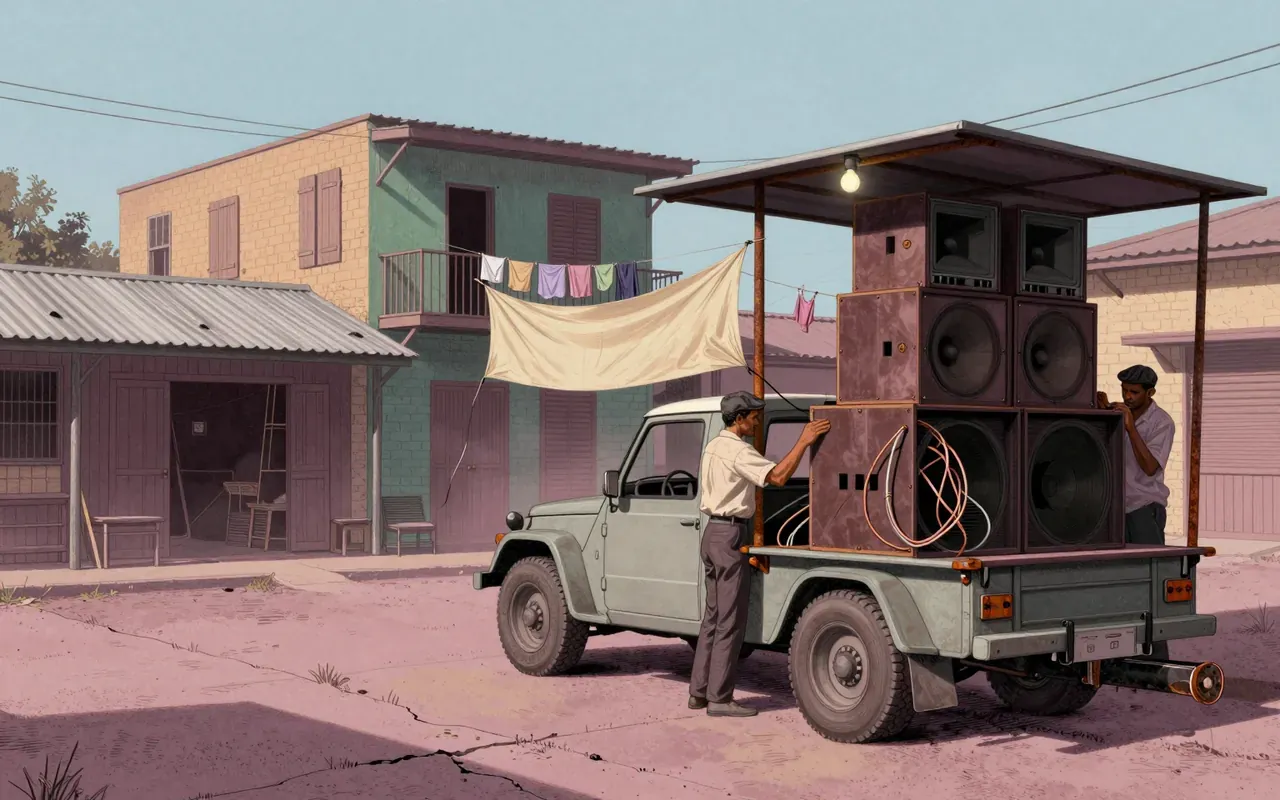
Jungle music1987Jungle was a short-lived, high-velocity genre that fused UK rave energy with Jamaican bassweight. It peaked in 1994–1995, then shed its reggae DNA by 1996–1997. By 1998, it had become drum and bass—less a continuation than a repudiation of its own origins.
8:31
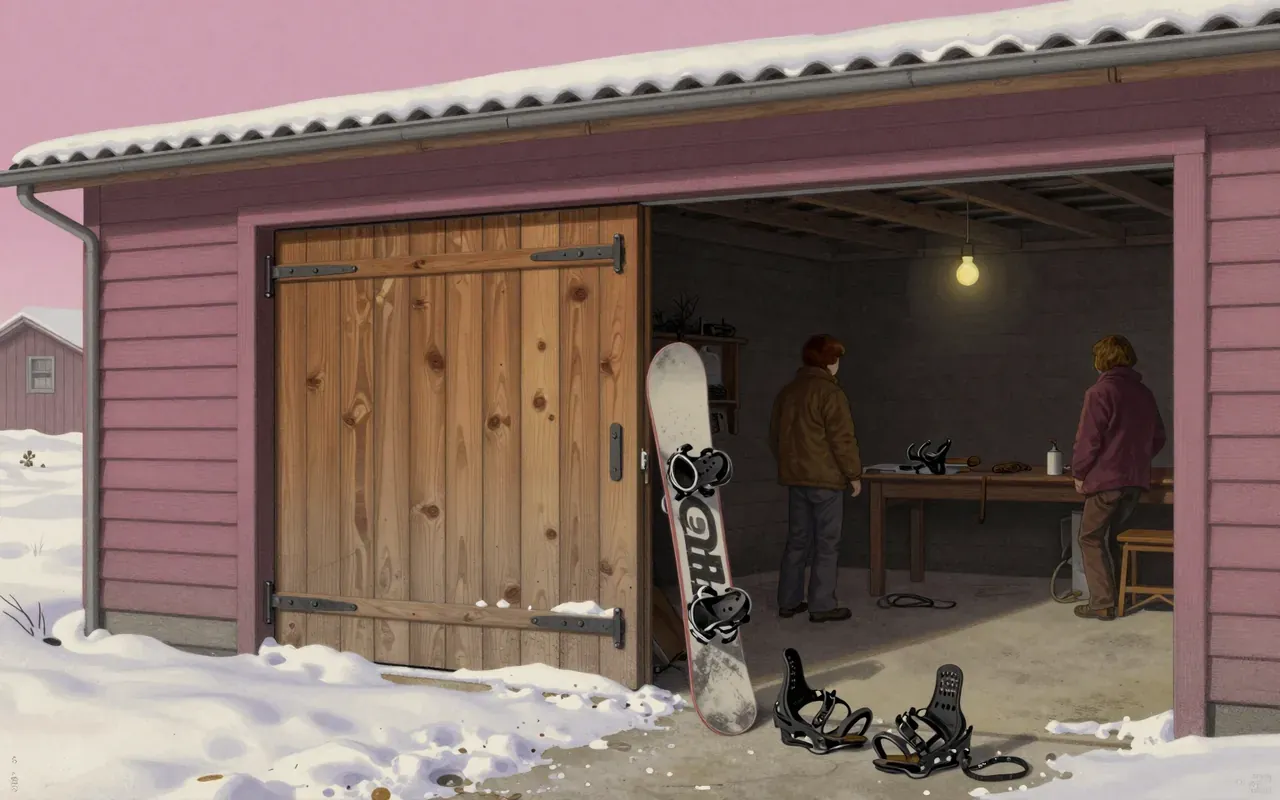
Burton Snowboards1977Burton Snowboards is a subcultural infrastructure project disguised as a product company. Its 1977 origin was materially constrained, not visionary. Its 1982 breakthrough was tactical, not cultural. Its influence lies in what it displaced—not what it inspired.
8:40
Rude boyRude boy began as a label for violent, unemployed youths in 1960s Kingston who disrupted rival sound system dances. Its style fused US jazz and soul tailoring, Sean Connery’s Bond suits, and outlaw film imagery. Musicians responded directly—some condemning, some endorsing—its violence. In late-1970s England, the term was repurposed to describe fans of two-tone and ska, severing it from its origin in economic desperation and street conflict.
8:20
4chan20034chan is an anonymous English-language imageboard launched by Christopher Poole in October 2003. It was created as an unofficial English-language counterpart to Japan’s Futaba Channel (2chan), initially focused on anime. Registration is not available except for staff, and users typically post anonymously. Posting is ephemeral, as threads receiving recent replies are 'bumped' to the top of their respective board and old threads are deleted as new ones are created.
Up next in Culture

Copypasta

· 9:24

Copypasta isn’t meme culture—it’s the operating system of online misdirection.

9:24