culturebriefs
9:02in productionCh. 1 · Common Cloth/ 9:02 · ceiling 15 min
Fashion · Society

Burberry

Burberry didn’t sell heritage—it sold hydrophobia, then monetised the lining.

Burberry is a system of material problem-solving disguised as a luxury brand. Its power lies in what it made possible—not what it declared.

Chapters & takeaways4
  1. 0:56
    Common Cloth

    It began as a provincial outfitter for commoners—not aristocrats or adventurers.

  2. 2:32
    Yarn Before Weave

    Gabardine wasn’t innovation for its own sake—it was waterproofing yarn before weaving, to serve middle-class outdoor life.

  3. 3:36
    Trenches, Not Studios

    The trench coat emerged from adaptation, not invention: civilian outdoor wear retrofitted for war.

  4. 5:18
    Lining That Escaped

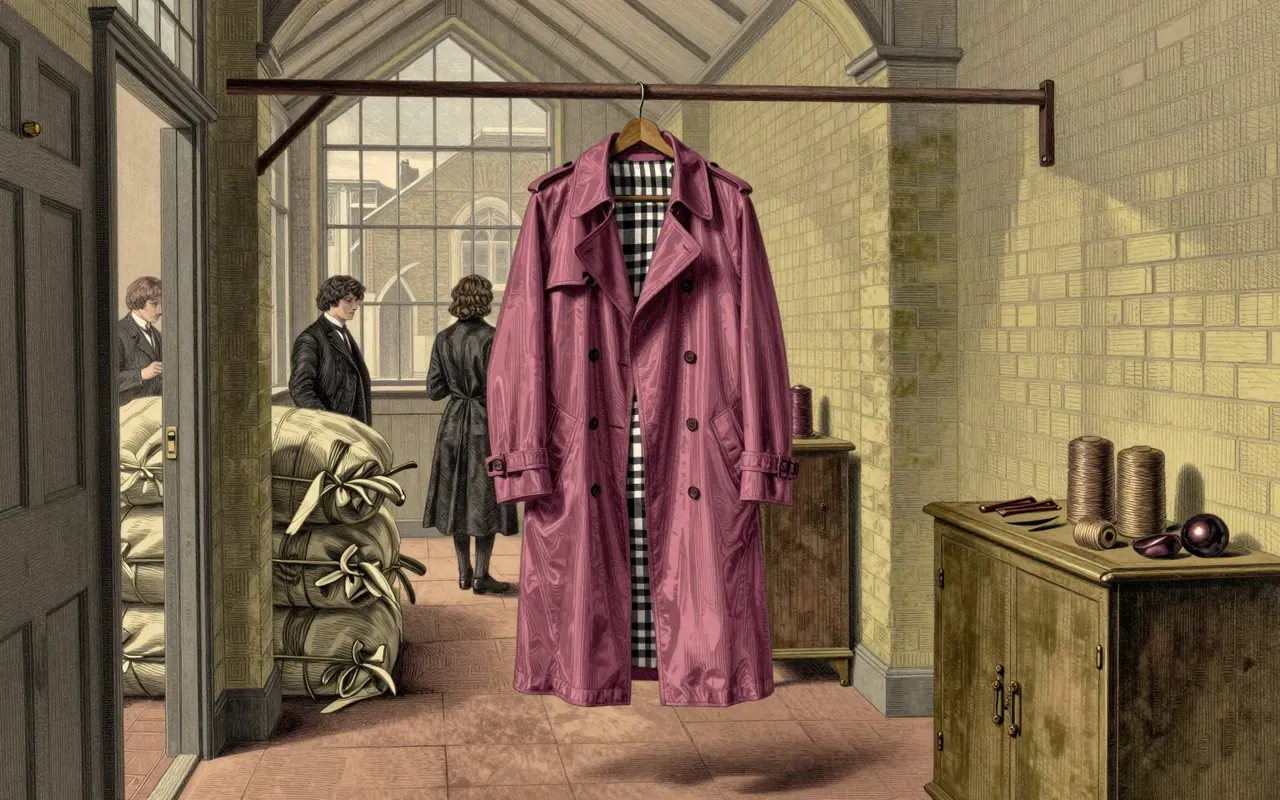
    The check started as hidden lining in the 1920s—then outlived family control, wartime utility, and even its own original purpose.

Worth your time?

Yes. Study the whole thing.

4/ 5
What works
  • gabardine
  • trench coat
  • check lining
What does not
  • influence
  • define
  • start
  • launch
Study it if
  • commoners
  • British officers
  • middle-class outdoorsmen
Skip it if
  • art world
  • avant-garde
  • subcultures
The written brief1 min read

What the thing is

Burberry is a British fashion house founded in 1856 as a maker of everyday clothing, then retooled around waterproof textiles and military adaptation.

Where it came from

It began in Basingstoke, Hampshire, in 1856, by Thomas Burberry—a 21-year-old former draper’s apprentice—who started with garments for commoners before partnering with British cotton manufacturers to engineer weatherproof fabrics.

What it gets right

It solved real problems for real bodies in wet English fields and muddy trenches. Gabardine worked. The trench coat functioned. The check lining became legible as status without shouting.

What it gets wrong

It displaced regional dress with uniformed luxury. It turned utility into hierarchy. Its early democratic intent—clothing for commoners—was abandoned as it chased military, elite, and explorer markets.

Why it matters now

It shows how infrastructure—fabric science, garment engineering, supply-chain discipline—precedes and enables cultural symbols. The check didn’t become iconic because it was beautiful. It became iconic because it lined something that kept officers dry in the First World War.

Is it worth your time

Yes—if you want to understand how a provincial draper’s apprentice built a system for weatherproofing class, not just cloth.
Same beat · Fashion4 of 113
11:00
CosplayCosplay is a materially grounded, globally dispersed performance practice rooted in two separate histories—one in US sci-fi fandom, one in Japanese anime culture. Its significance lies in how it turns representation into labour, and character into conduct.
8:18
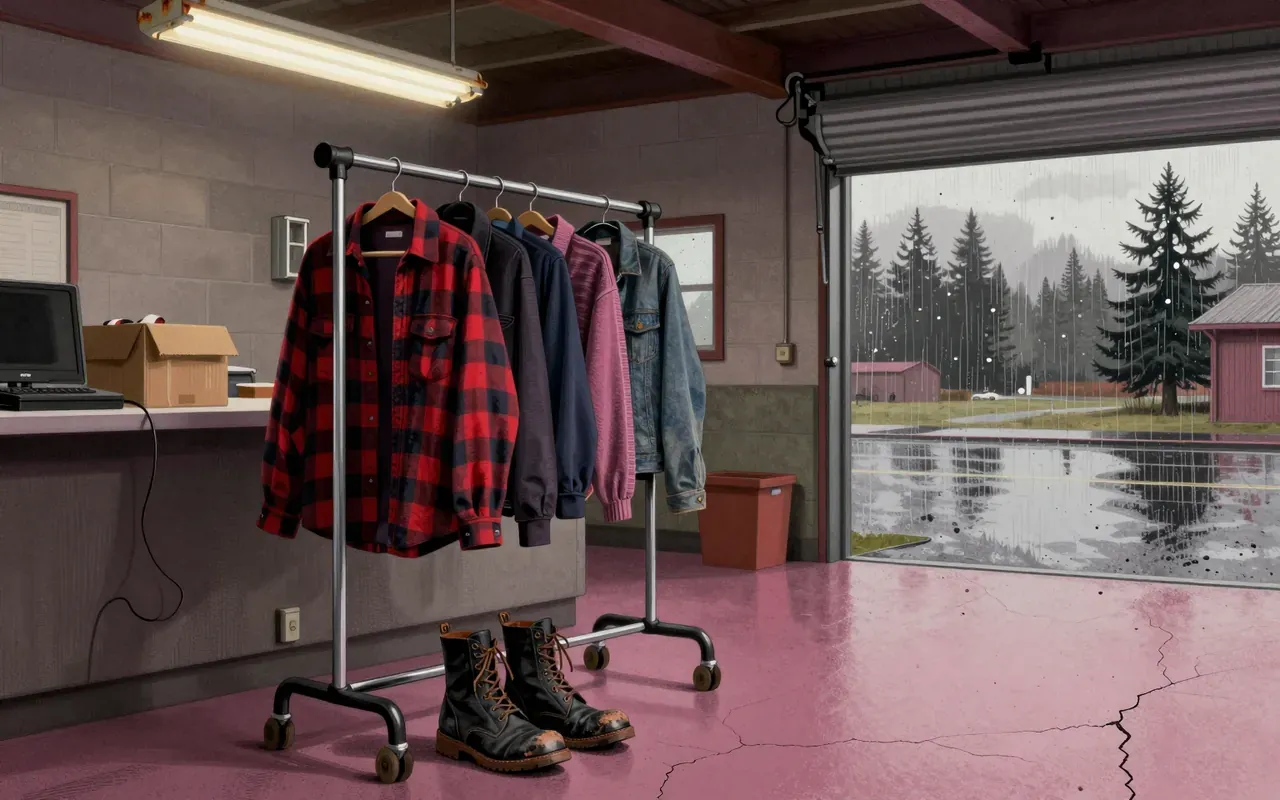
Grunge (fashion)1980Grunge fashion was an anti-fashion statement rooted in mid-1980s Seattle’s music scene. It used durable, thrift-store clothing worn loosely and androgynously—especially flannel shirts and Doc Martens—to reject 1980s flash. Kurt Cobain’s blend of lumberjack workwear and vintage feminine dresses helped define it. By the mid-1990s, it had been commodified globally—most notably by Marc Jacobs for Perry Ellis in 1993. Its legacy is not authenticity, but the speed with which resistance becomes product.
8:50
GyaruGyaru is a Japanese fashion subculture rooted in the transliteration of 'gal'. It emerged as nonconformist resistance to traditional Japanese gender roles and beauty standards—particularly the expectation that women be housewives with pale skin and dark hair. Early associations included juvenile delinquency and frivolousness among teenage girls. Kogal culture, a defining variant, rose prominently in the Heisei era (1989–2019), peaking in the 1990s and early 2000s. It is currently experiencing a revival in the Reiwa era. The subculture includes a male counterpart, gyaruo. Its core visual ingredients are consistently cited as gaudy fashion, extreme makeup, and dyed hair.
10:21
Levi Strauss & Co.Levi Strauss · 1853Levi Strauss & Co. is a pragmatic infrastructure project disguised as clothing. It began as immigrant commerce, not craft. Its innovations were patents, lot numbers, trademarks — administrative tools that made reproducible, durable workwear. It did not define youth culture, nor did it seek cultural status. It solved problems for people who needed pants to last — and kept doing so, even when the problem changed.
Up next in Culture

Burrito

· 9:10

Burrito isn’t a dish—it’s a dialect.

9:10