10:08in productionCh. 1 · How it’s made/ 10:08 · ceiling 15 min
Food · Society
Bulgogi
Bulgogi isn’t Korean food history — it’s refugee history, written in marinade and charcoal.
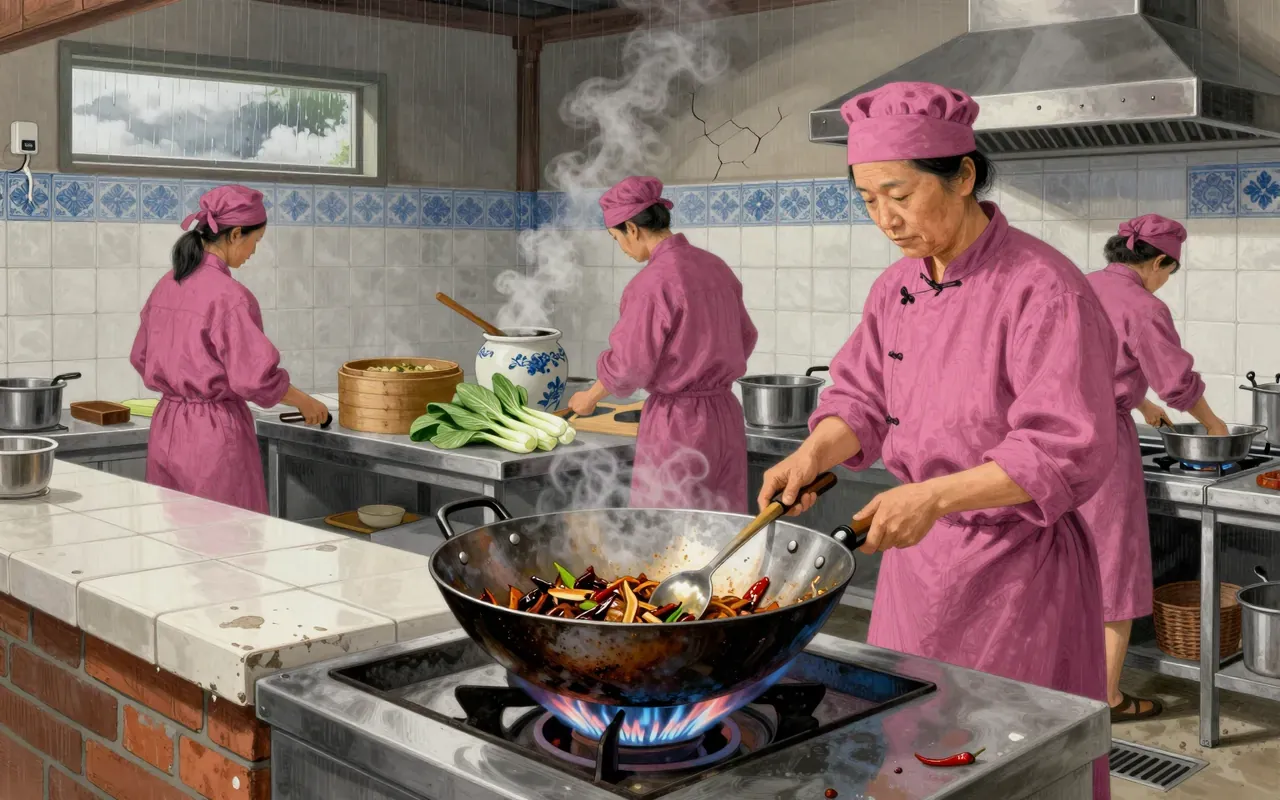
Bulgogi is a Korean gui dish of thin, marinated beef — most commonly sirloin or rib eye — grilled on a barbecue or stove-top griddle, or stir-fried at home. It originated in the Goguryeo era (37 BCE–668 CE) as maekjeok, skewered beef, and developed regionally in Pyongan Province. Refugees from Pyongan introduced it to Seoul and other parts of South Korea. Its definition was codified in the 1947 Dictionary of the Korean Language as meat grilled directly over charcoal, and later refined in the Standard Korean Language Dictionary as thinly sliced, marinated beef grilled over fire.
Bulgogi is defined by method first: thin slices, marinade, fire — not by cut, venue, or heat source.
2:54
Where it began
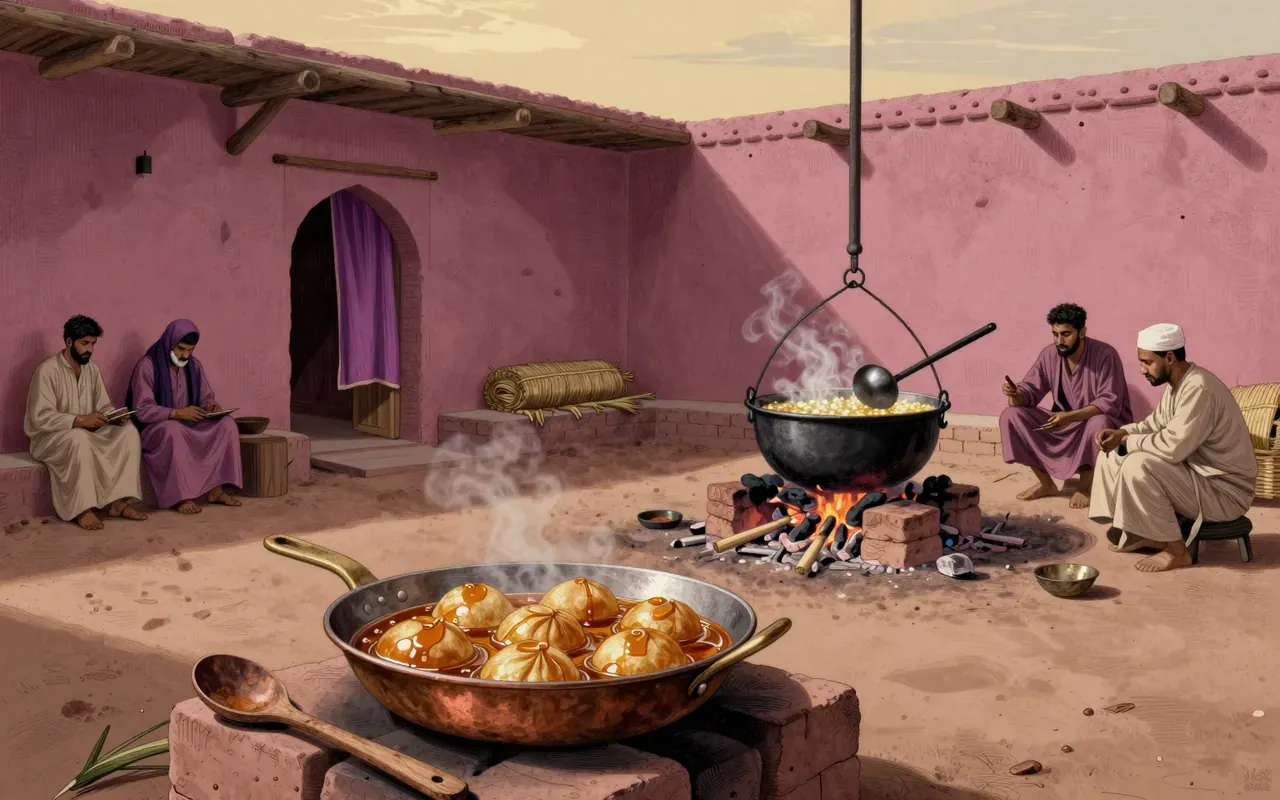
It began as skewered beef in Goguryeo, then became a Pyongan regional dish — before arriving in Seoul via displacement.
4:40
When it became official
Its dictionary definition was fixed in 1947 — not as folk practice, but as formalised national cuisine.
6:02
How it spread
Seoul didn’t adopt bulgogi — Pyongan refugees brought it, and their version displaced local grilling traditions.
Worth your time?
Yes. Study the whole thing.
4/ 5
What works
as a case study in culinary codification
as evidence of how displacement shapes national cuisine
What does not
iconic
groundbreaking
seminal
Study it if
food historians
Korean diaspora
students of migration
Skip it if
casual diners seeking novelty
those expecting fusion or innovation
The written brief1 min read
What the thing is
Bulgogi is a gui — a Korean grilled or roasted dish — of thin, marinated beef, most often sirloin or rib eye, cooked on a griddle or over charcoal.
Where it came from
It originated in the Goguryeo era (37 BCE–668 CE) as maekjeok — skewered beef — and evolved regionally in Pyongan Province before arriving in Seoul with refugees.
What it gets right
It delivers consistent texture and flavour through thin slicing and marinade penetration. The method works across griddles, charcoal, and home stovetops.
What it gets wrong
It misleads by implying universality: bulgogi is not pan-Korean by origin. Its Seoul presence came via Pyongan refugees, not organic spread.
Why it matters now
It shows how culinary codification (1947 dictionary definition) and forced migration together built national food identity — not taste alone.
Is it worth your time
Yes — if you want to understand how a regional dish became national through displacement, not diffusion.