What the thing is
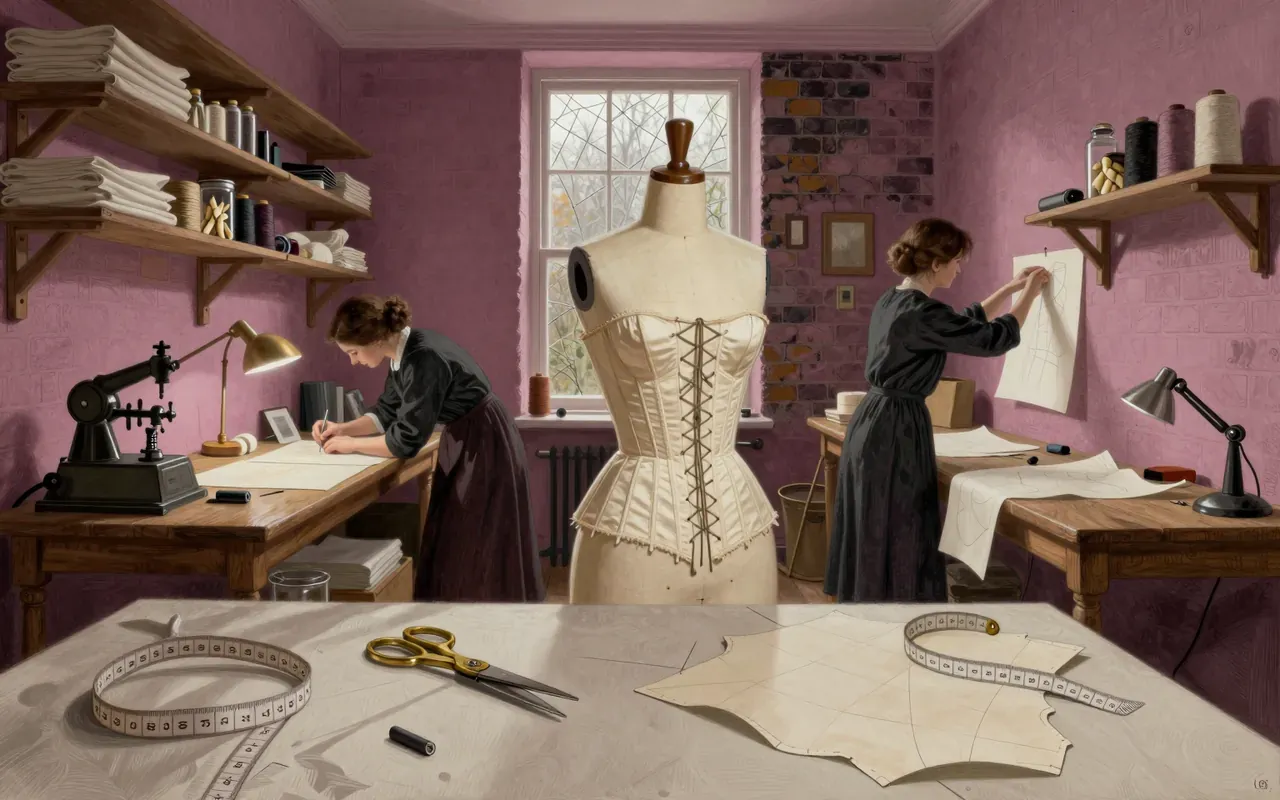
A structured support garment worn to constrict the torso into a desired shape and posture.
Where it came from
It originated in Minoan Crete. The word ‘corset’ derives from Old French ‘cors’ (‘body’) and entered general English usage in the 18th century.
What it gets right
It enforced posture and torso shape with mechanical consistency. It anchored women’s fashion for three centuries. It created a visual grammar of silhouette that still signals formality or constraint.
What it gets wrong
It conflated bodily control with moral virtue. It displaced mobility and breath for aesthetic conformity. Its decline was not liberation alone—it was also material scarcity and war-driven pragmatism.
Why it matters now
Because its logic persists: aesthetic imitation replaces function; medical braces borrow its form; and ‘corset’ now names garments that signal discipline, nostalgia, or rebellion—without requiring constriction.
Is it worth your time
Yes—if you want to understand how a garment shaped posture, gendered labour, and medical orthotics in one continuous line.