8:54in productionCh. 1 · Origin: Not folklore, but formula/ 8:54 · ceiling 15 min
Food
Soufflé
1800
A soufflé is not food—it’s a timed performance in porcelain.
The soufflé is a precise, fragile, French-born baking technique from the early 18th century—first documented by Massialot, elevated by Carême. It relies on two components (flavoured base + softly beaten egg whites), specific porcelain vessels, and a narrow window of service before collapse. It matters now as a measure of culinary discipline—not nostalgia, not luxury, but control under time pressure.
The soufflé began as a French technical innovation—not a folk dish, but a chef’s calculation.
2:20
Carême: The architect of its prestige
Carême didn’t invent it—but he turned it into a symbol of haute cuisine’s authority.
3:36
Two parts, one purpose
Flavour lives in the base. Lift lives in the whites. Nothing else is needed.
4:40
Porcelain is not presentation—it’s physics
Its shape isn’t decorative—it’s functional: vertical sides prevent slumping, unglazed bottoms ensure even heat transfer.
5:42
Five minutes of perfection
It peaks at service—and fails on schedule. Its value is in the interval, not the endurance.
Worth your time?
Yes. Study the whole thing.
4/ 5
What works
as-a-test-of-precision
as-a-marker-of-haute-cuisine-standards
as-a-lens-on-early-modern-cookery
What does not
iconic
groundbreaking
timeless
Study it if
cooks
students-of-cuisine
historians-of-technique
Skip it if
casual-eaters
fast-food-audiences
meal-preppers
The written brief1 min read
What the thing is
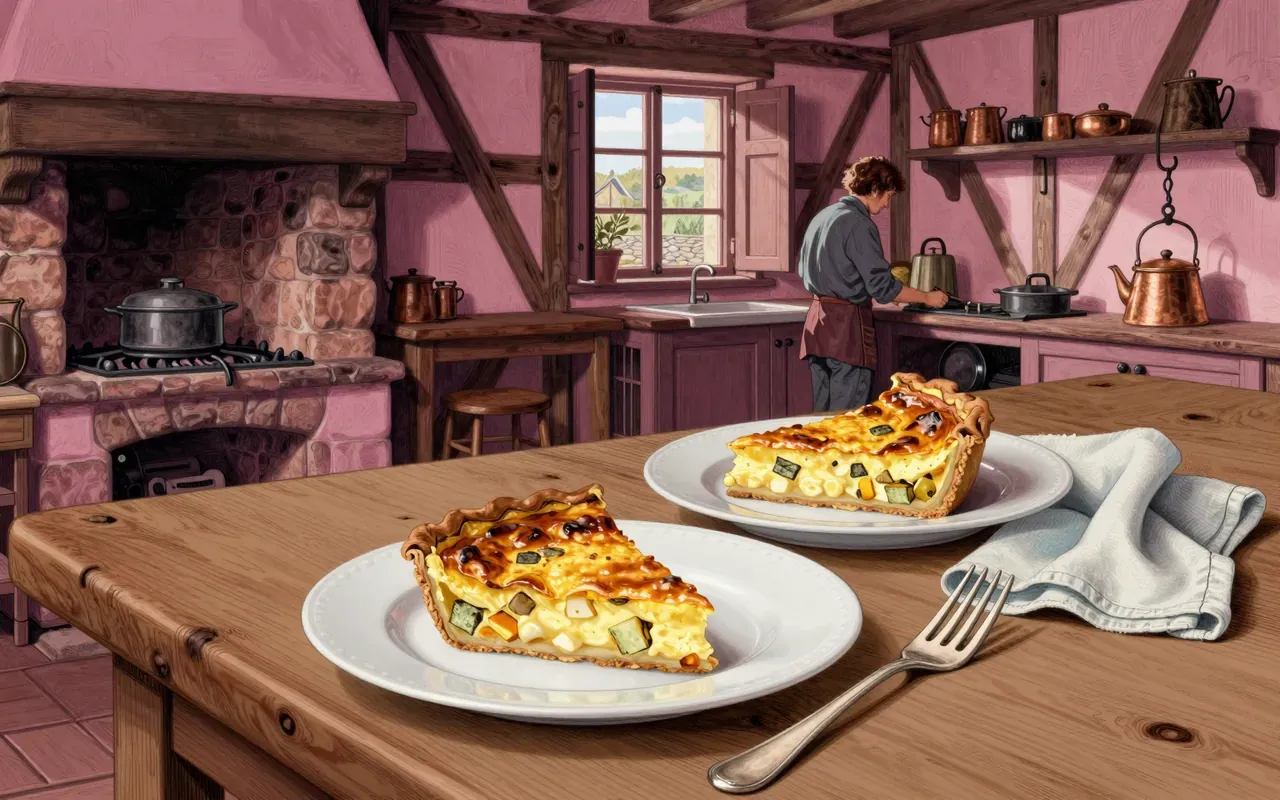
A baked egg dish. Two components: a flavoured base (crème pâtissière, béchamel, purée) and softly beaten egg whites. Baked in specific porcelain ramekins. Rises in oven. Falls within 5–10 minutes.
Where it came from
France, early 18th century. First mentioned by François Massialot. Developed and popularised by Marie-Antoine Carême in the early 19th century.
What it gets right
It delivers a precise, momentary transformation: air beaten into egg whites lifts a flavoured base into something light, puffed, and theatrical. It rewards attention to method and timing.
What it gets wrong
It collapses immediately after serving. Its structure is inherently unstable. It cannot be held, reheated, or delayed—making it impractical for all but the most controlled settings.
Why it matters now
It remains a benchmark of technical control in cooking—a test of precision, timing, and restraint. Its fragility mirrors modern demands for immediacy and presence in food culture.
Is it worth your time
Yes—if you care about how technique becomes tradition, and why some foods endure not for taste alone but for the discipline they demand.