10:34in productionCh. 1 · A Jewish Shabbat stew/ 10:34 · ceiling 15 min
Food
Ropa vieja
Ropa vieja isn’t Cuban—it’s Sephardic, Canary-born, and misnamed as national.
Ropa vieja is a stewed beef dish with regional variations across Spain, Latin America, and the Philippines. It originated as 'handrajos', a Sephardic Jewish Shabbat stew in the Iberian Peninsula. It spread to North Africa and the Canary Islands before arriving in Cuba via Canary Island immigrants—first reported there in 1857. Its name likely refers to either leftover ingredients or the tattered appearance of the shredded meat. Though now considered a Cuban national dish, that designation obscures its deeper origins and transmission path.
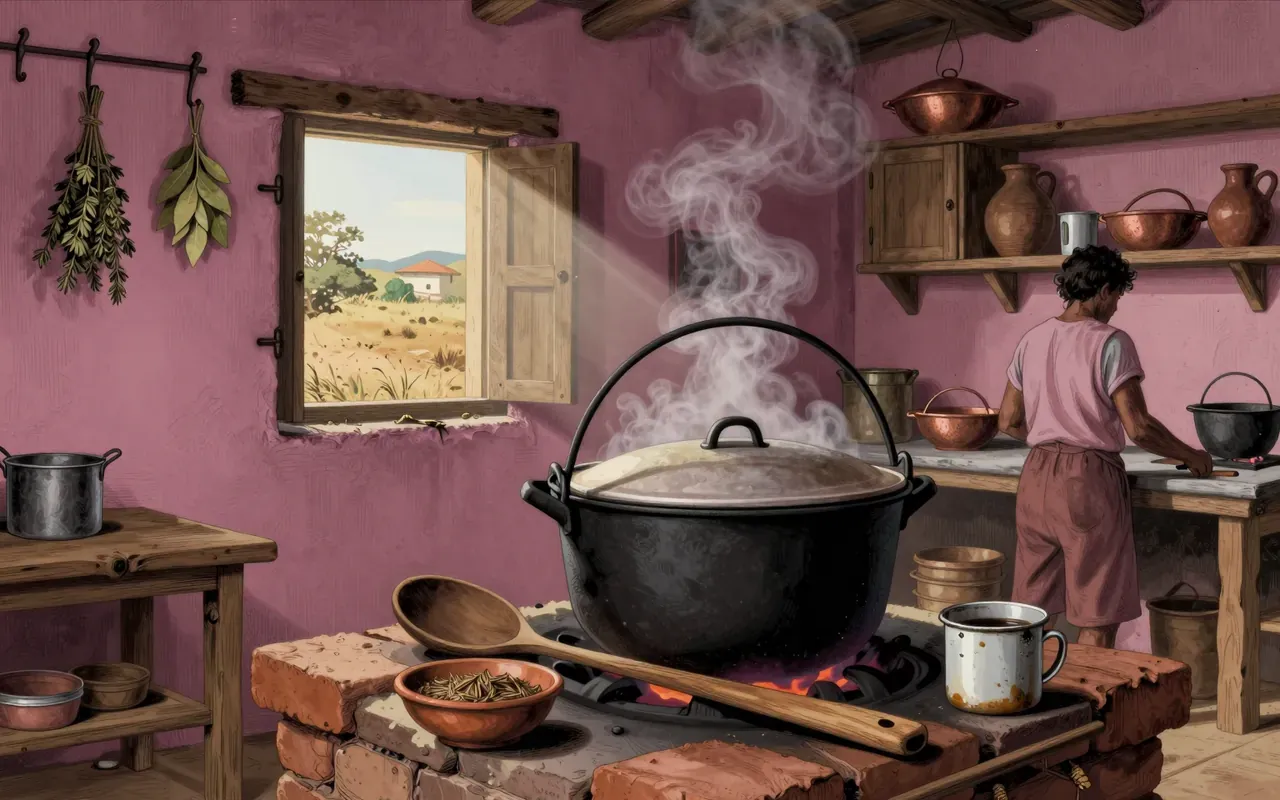
Ropa vieja began as 'handrajos', a Sephardic Jewish Shabbat stew in the Iberian Peninsula.
2:02
A migrant dish
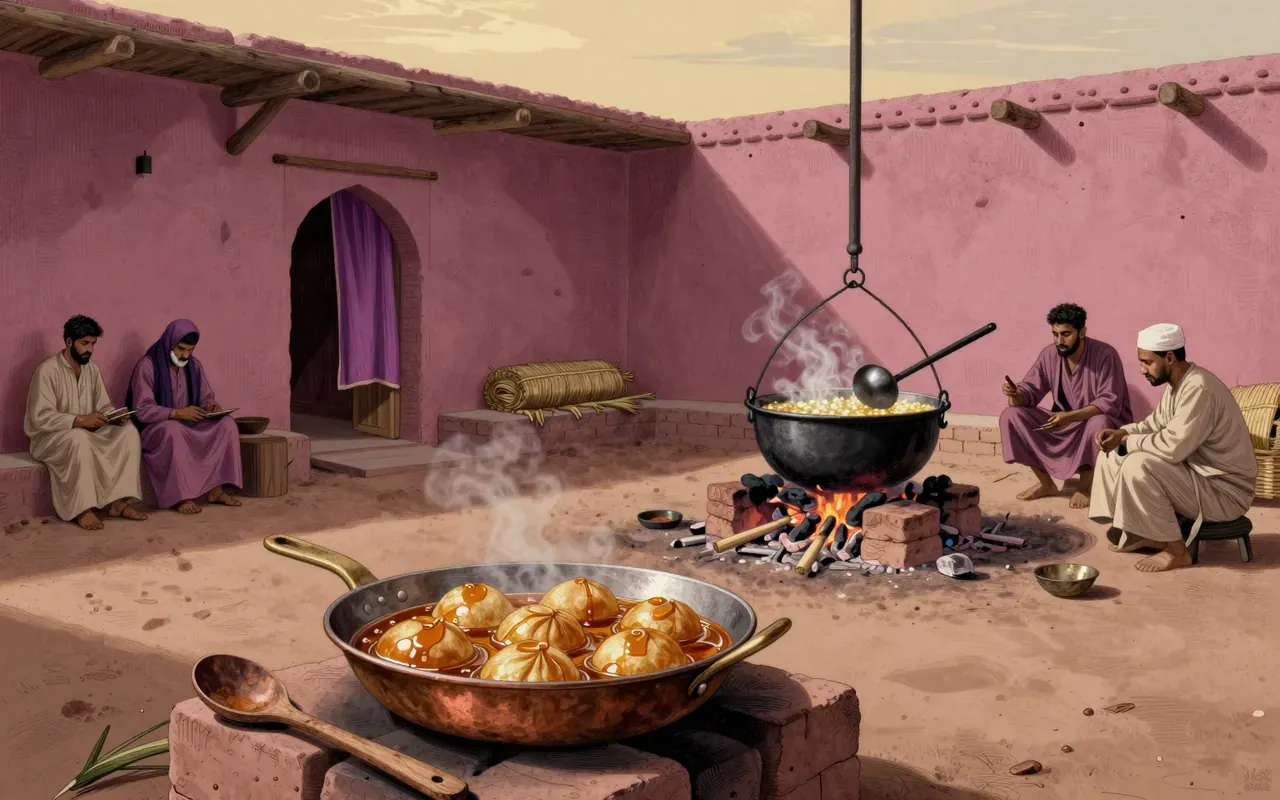
It travelled from Iberia to North Africa and the Canary Islands, then to Cuba via Canary Island immigrants in the 19th century.
3:30
What’s in the pot—and what’s in the name
Its core method—stewed beef, tomatoes, sofrito—is stable; its name reflects either thrift or texture, not origin.
4:08
Not one dish, but many—except where it’s claimed as one
It has regional variations across Spain, Latin America, and the Philippines—but only Cuba claims it as national.
5:23
First reported, not first made
The 1857 Cuban record is the earliest known documentation—not evidence of invention or cultural ownership.
6:38
How food gets unattributed
Its history displaces the myth of national culinary purity—showing instead how diaspora, migration, and renaming shape what we call 'traditional'.
Worth your time?
Yes. Study the whole thing.
4/ 5
What works
it documents transmission, not invention
it names the Sephardic origin explicitly
it separates first report (1857) from origin
it identifies the name’s dual rationale
What does not
iconic
groundbreaking
seminal
Study it if
historians of Sephardic culture
students of Caribbean foodways
cooks interested in ritual cooking
Skip it if
those seeking 'authentic Cuban cuisine' without context
readers who treat national dishes as static
The written brief1 min read
What the thing is
Ropa vieja is a stewed beef dish with tomatoes and sofrito. The meat shreds into fibrous strands. It appears across Spain, Latin America, and the Philippines.
Where it came from
It began as ‘handrajos’, a Shabbat stew among Sephardic Jews in the Iberian Peninsula. It spread to North Africa and the Canary Islands. Canary Island immigrants brought it to Cuba, where it was first reported cooked in 1857.
What it gets right
It honours slow cooking as ritual. The shredded beef mimics the texture of tattered cloth—visually literal, functionally practical. Its regional variations prove it is adaptable without being generic.
What it gets wrong
Calling it a ‘Cuban national dish’ flattens its Sephardic origin and Canary Island mediation. The 1857 Cuban record is the first reported instance—not proof of Cuban invention or ownership.
Why it matters now
It reveals how religious foodways survive under erasure—renamed, relocated, repurposed. Its name evokes both thrift and trauma: leftovers and tatters. That duality is still operative.
Is it worth your time
Yes—if you care about how food carries layered histories of displacement, adaptation, and erasure. It is not a ‘timeless’ dish but a documented trace of Sephardic Jewish practice, Canary Island migration, and colonial transmission.