What the thing is
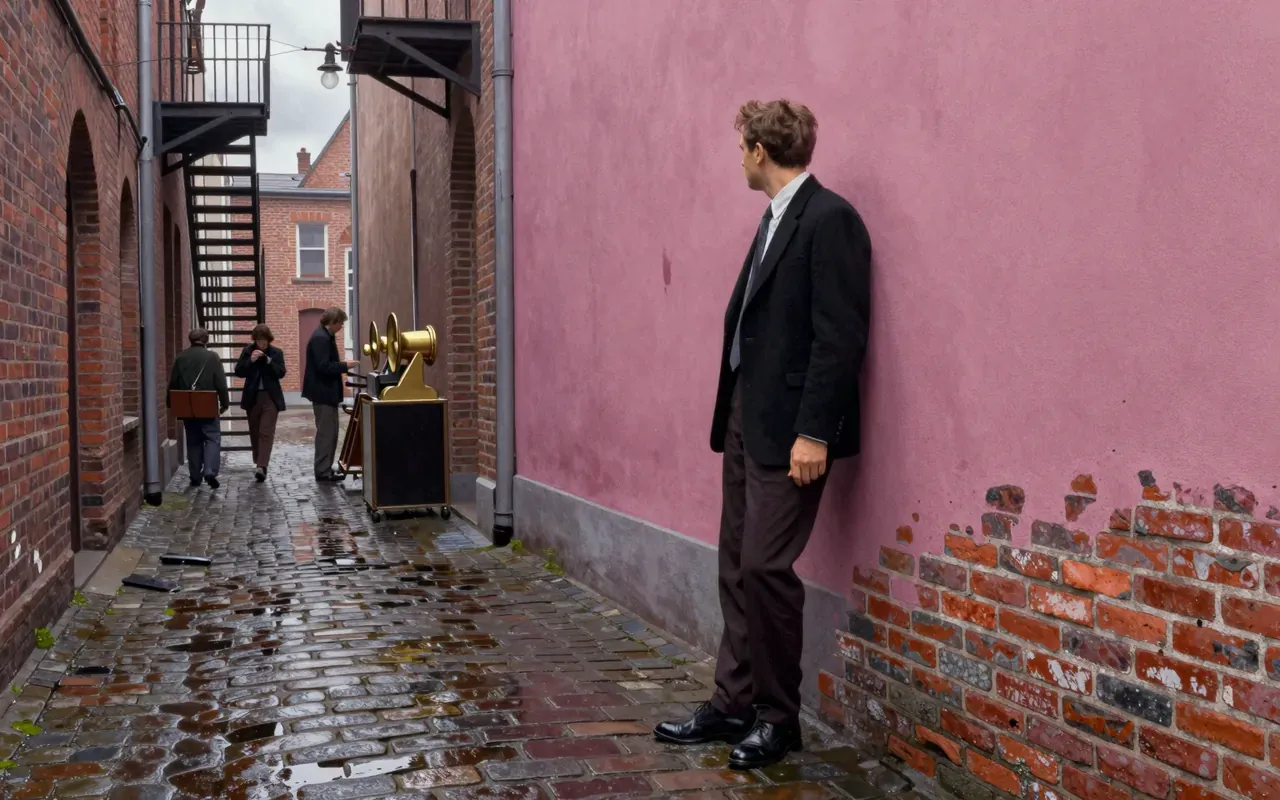
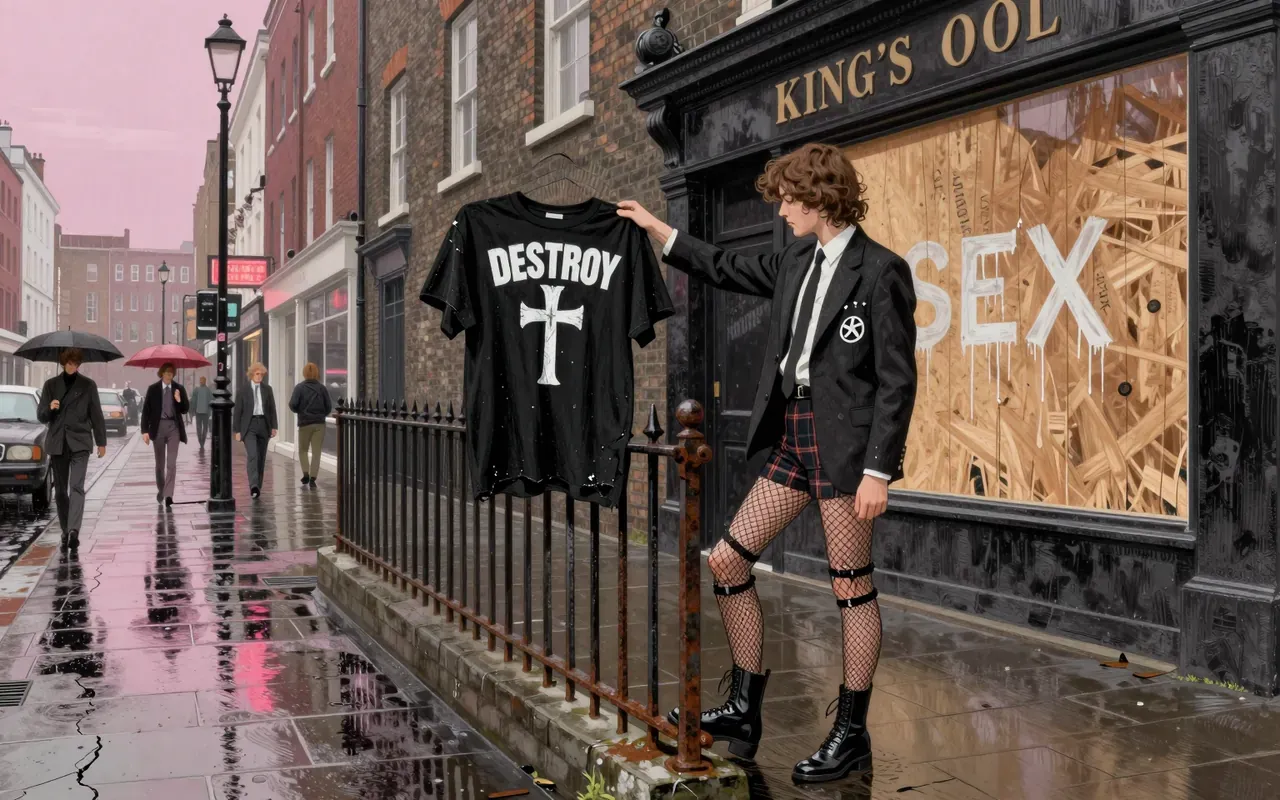
Punk fashion was a deliberate, anti-materialist countercultural practice — clothing, hairstyles, jewellery, and body modifications designed to provoke, destabilise, and politicise.
Where it came from
It emerged in mid-1970s London through Vivienne Westwood and Malcolm McLaren’s successive boutiques — Let It Rock, Too Fast To Live Too Young To Die, Sex, and Seditionaries — which functioned as physical hubs and commercial engines for the scene.
What it gets right
It exposed the hypocrisy of British class and monarchy using offensive, handmade, anti-commercial clothing. It made provocation material: swastikas, inverted crucifixes, bondage straps, and ripped mohair jumpers were tools, not ornaments.
What it gets wrong
It normalised Nazi imagery as mere shock value, divorcing it from historical accountability while claiming political intent. Its rejection of craft became indistinguishable from laziness in later adoptees.
Why it matters now
Because its core tension — between radical intent and rapid commercial absorption — is the template for every subcultural aesthetic co-opted by mainstream fashion, from grunge to streetwear.
Is it worth your time
Yes — if you want to understand how fashion can be weaponised as political speech, not just style.