9:34in productionCh. 1 · What the word means/ 9:34 · ceiling 15 min
Food
Khichdi
A dish that outlived empires—and never needed a recipe to prove it existed.
Khichdi is a South Asian rice-and-lentil dish with attested use from 305–303 BC. Its name derives from Sanskrit 'khiccā'. It appears in Seleucus, Strabo, Ibn Battuta, Nikitin and the Ain-i-Akbari. Regional variations exist. It inspired kedgeree.
Khichdi is not a recipe. It is a linguistic fossil: 'khiccā' named rice-and-legume food before Greek kings wrote about it.
2:26
Older than empire
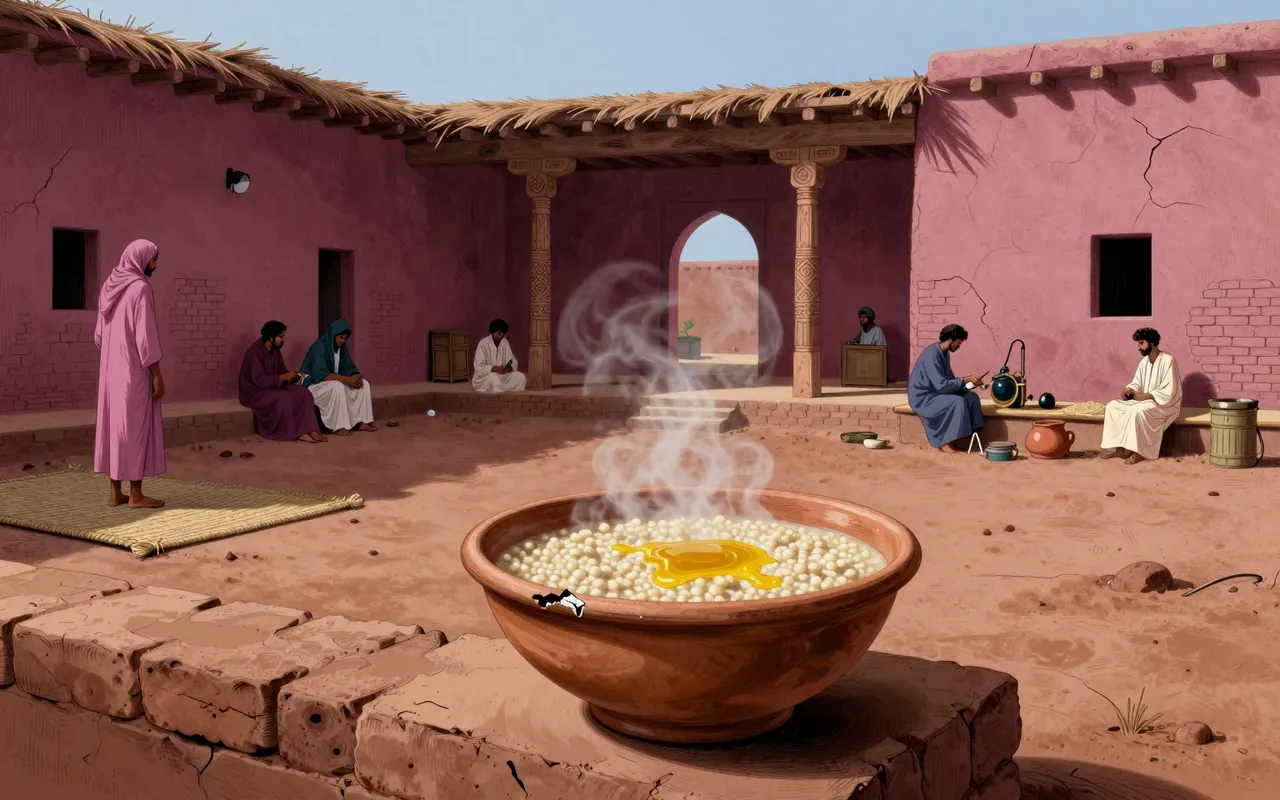
Rice porridge and rice-with-pulses were already dominant foods in India before Alexander’s successors arrived.
3:55
Documented, not revived
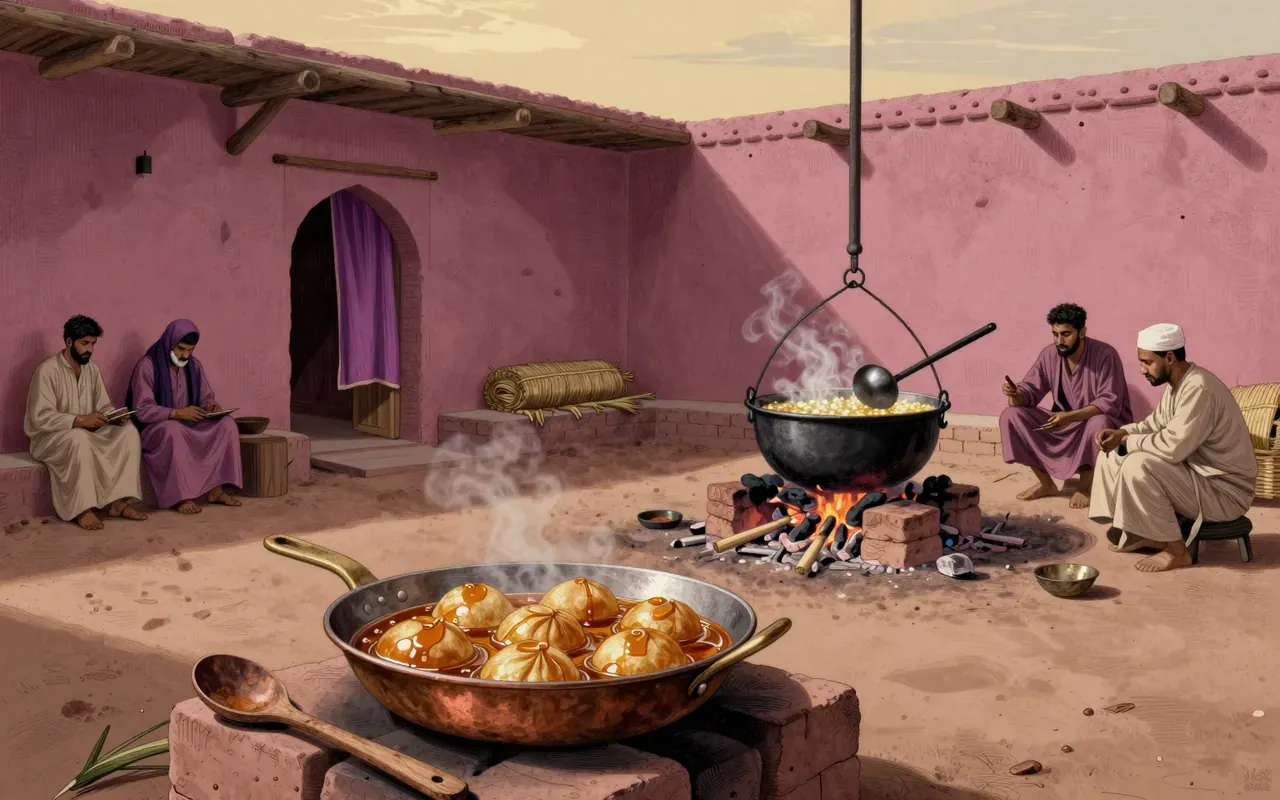
From Ibn Battuta to Akbar’s vizier, khichdi was documented across centuries—not as nostalgia, but as daily practice.
5:16
The Anglo-Indian derivative
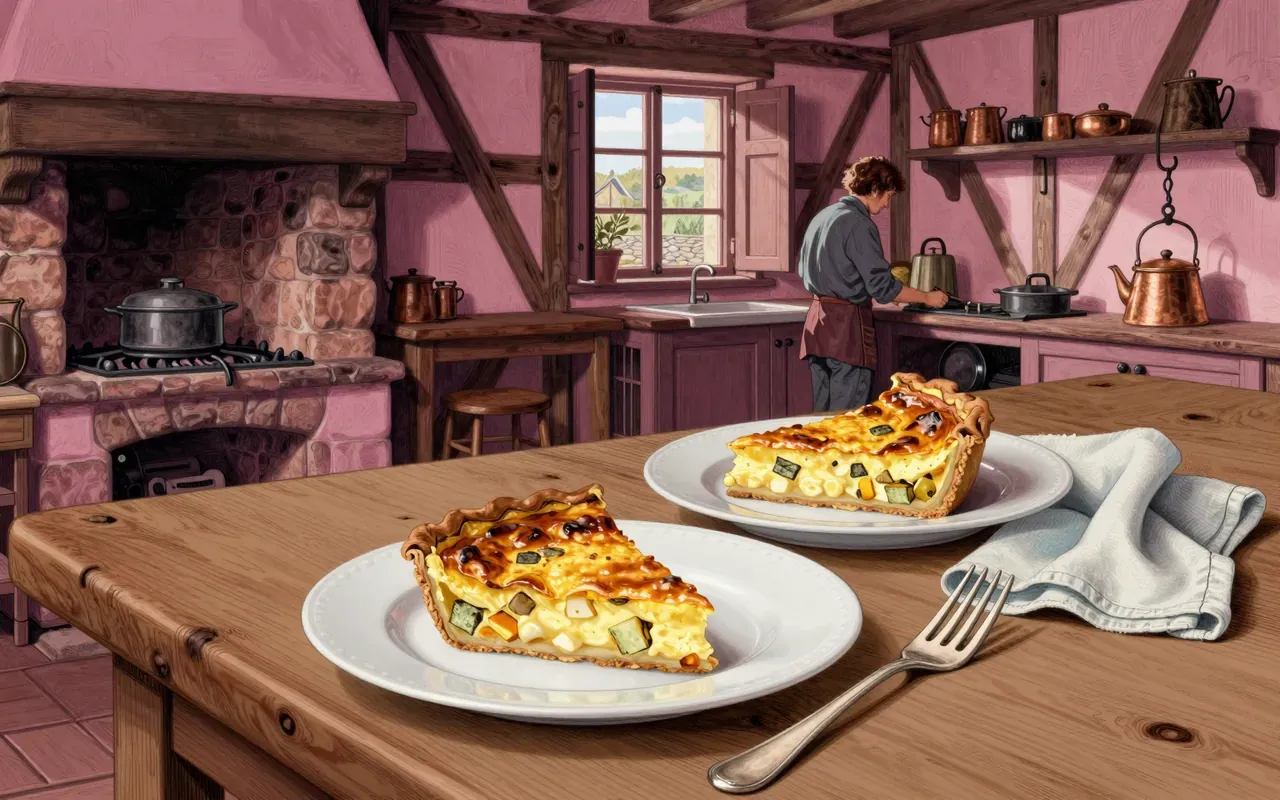
Kedgeree is a colonial echo—not the origin, not the upgrade, just one branch off a much older trunk.
Worth your time?
Yes. Study the whole thing.
4.5/ 5
What works
as evidence of continuity
as resistance to culinary exceptionalism
as a counterpoint to colonial food narratives
What does not
influence
define
start
represent
Study it if
cooks
linguists
historians of everyday life
Skip it if
those seeking origin myths
those who require a single definitive version
The written brief1 min read
What the thing is
Khichdi is a South Asian dish of rice and lentils. It has no canonical version. Its name comes from Sanskrit ‘khiccā’, meaning a dish of rice and legumes.
Where it came from
It originated in the Indian subcontinent. Rice with pulses was popular by 305–303 BC. Strabo noted rice porridge in India. Ibn Battuta recorded rice and mung beans around 1350. Nikitin described it in the 15th century. The Ain-i-Akbari listed seven variations in the 16th century.
What it gets right
It establishes rice and lentils as a foundational South Asian food technology. It proves endurance through documented use across 2,300 years.
What it gets wrong
It implies unity where there is only recurrence. ‘Khichdi’ names no single dish—it names a family of preparations with no central authority or fixed form.
Why it matters now
It matters because it undermines the myth of culinary rupture. Colonialism did not invent fusion—khichdi begat kedgeree, not the other way around.
Is it worth your time
Yes—if you care about how food carries continuity across empires, languages and millennia.