What the thing is
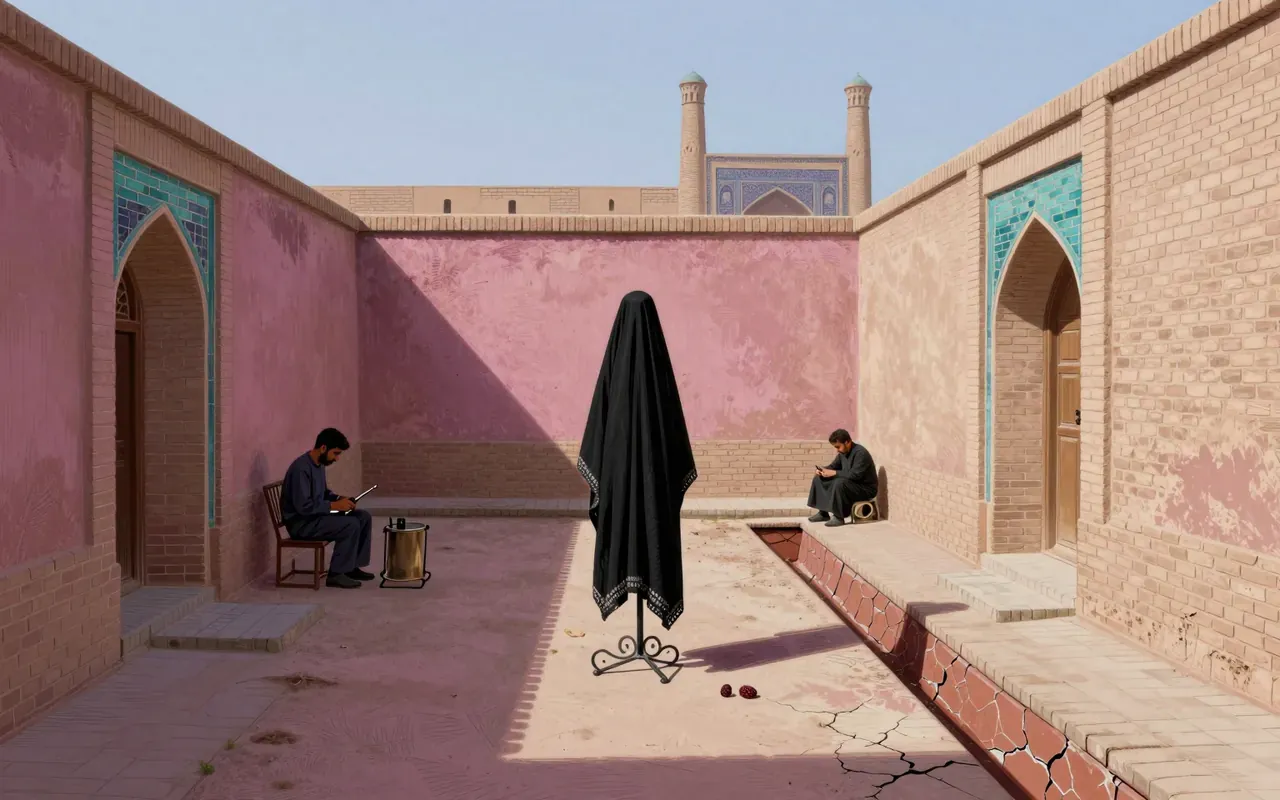
The burqa is a full-body-and-face-covering outer garment worn by some Muslim women. It is also known as harabah.
Where it came from
Face veiling predates Islam. It appeared in the Byzantine Empire, Persia, Arabia, and ancient Israel—and was worn by Oriental Orthodox Christian women and 19th-century Egyptian Christian and Muslim elites.
What it gets right
It affirms women’s agency across centuries and faiths. Face veiling was chosen, not imposed, by Byzantine elites, Oriental Orthodox Christians, and 19th-century Egyptian women of both faiths.
What it gets wrong
It falsely presents face veiling as an Islamic requirement. Most Islamic scholars—historically and today—reject that interpretation of Quranic verses 24:31 and 33:59.
Why it matters now
Because it is routinely misread as a symbol of religious compulsion, when its history shows it as a marker of class, custom, and cross-faith continuity—making current debates about bans and rights historically illiterate.
Is it worth your time
Yes—if you want to understand how a garment became a lightning rod for assumptions about religion, gender, and control.