10:04in productionCh. 1 · A hijacked word/ 10:04 · ceiling 15 min
Society · Ideas
Internet meme
Memes aren’t jokes—they’re the operating system of online attention.
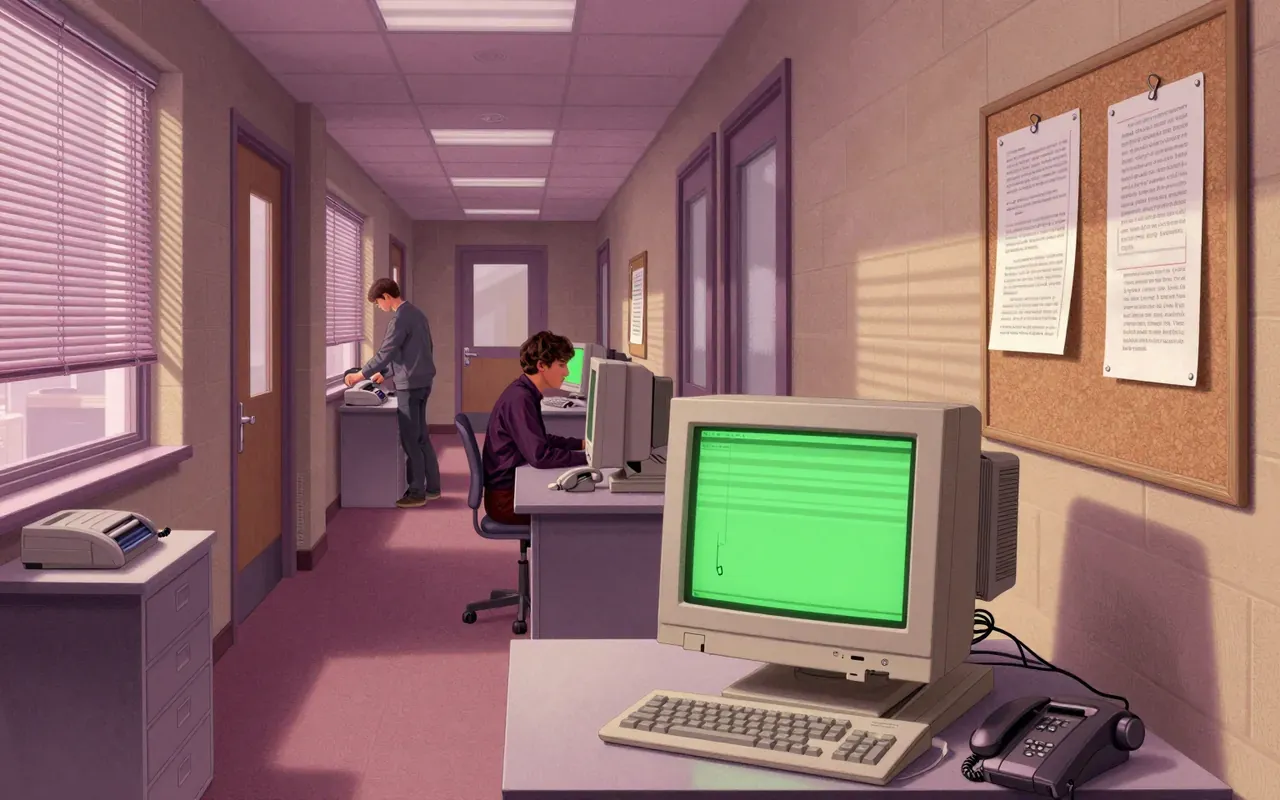
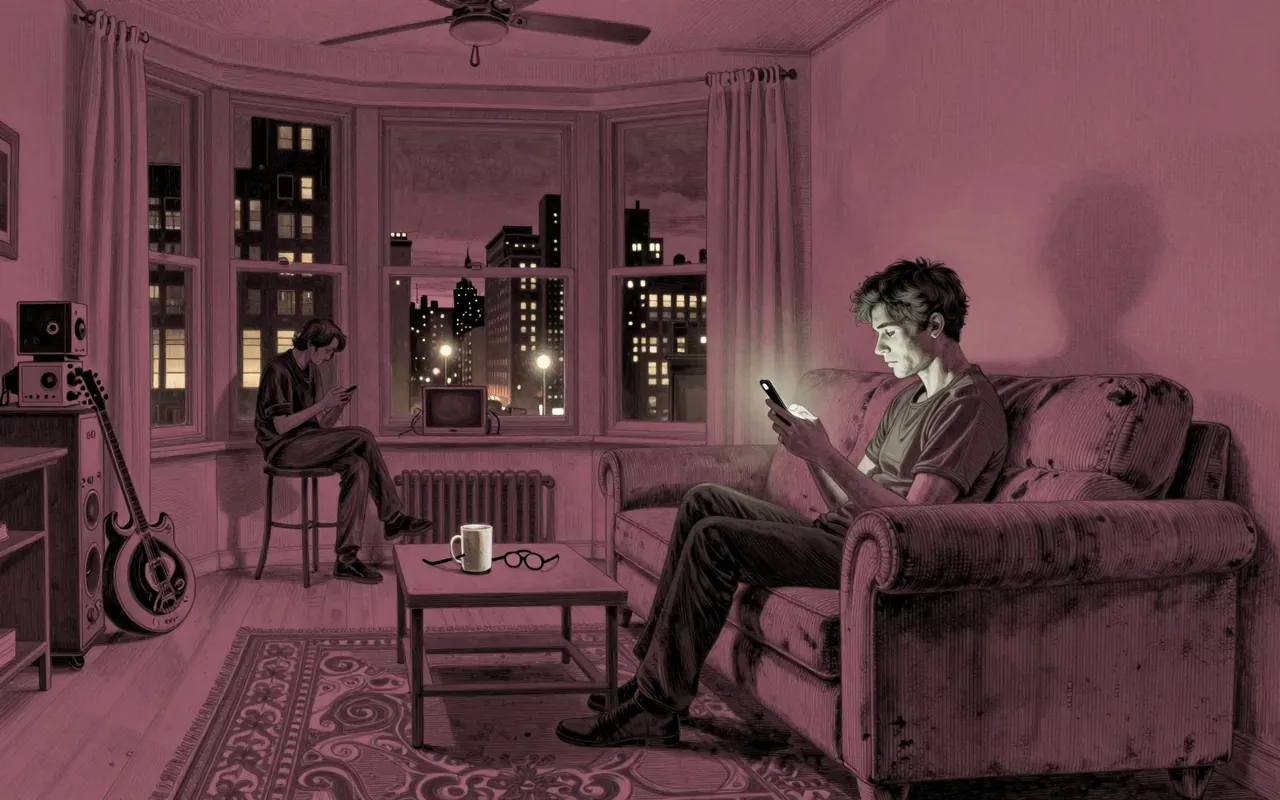
Internet memes are cultural items that spread across the Internet, primarily through social media platforms. They manifest in formats including images, videos (e.g. GIFs), and other viral content. Key characteristics include parody, intertextuality, viral dissemination, and continual evolution. The term 'meme' was introduced by Richard Dawkins in his 1976 book The Selfish Gene to describe a conceptual unit of cultural transmission. The term 'Internet meme' was coined by Mike Godwin in 1993 in reference to the way memes proliferated through early online communities, including message boards, Usenet groups, and email. Emoticons are among the earliest examples of internet memes, specifically the smiley emoticon ':-)', introduced by Scott Fahlman in 1982. The concept of memes in an online context was formally proposed by Mike Godwin in the June 1993 issue of Wired. Dawkins explained that Internet memes are a 'hijacking of the original idea', evolving the very concept of a meme in this new direction.
The word 'meme' was never made for the internet—and its repurposing changed what the word means.
2:56
The smiley started it
The first internet meme wasn’t viral—it was functional: a punctuation mark for tone.
4:48
How memes move
Parody, intertextuality, and evolution aren’t side effects—they’re the engine.
6:26
Wired, June 1993
Godwin didn’t just name a phenomenon—he formalised it in Wired, giving it a platform before it had mass reach.
Worth your time?
Yes. Study the whole thing.
4/ 5
What works
as infrastructure for public response
What does not
explain internet culture as a whole
Study it if
anyone who needs to read online reaction fluently
Skip it if
those seeking historical depth or aesthetic analysis
The written brief1 min read
What the thing is
An Internet meme is a cultural item—idea, behaviour, or style—that spreads across the Internet, primarily through social media platforms.
Where it came from
The term ‘meme’ originated with Richard Dawkins in 1976. ‘Internet meme’ was coined by Mike Godwin in 1993, referencing proliferation through message boards, Usenet, and email. The smiley emoticon ‘:-)’ from 1982 is among the earliest examples.
What it gets right
It captures how ideas mutate through mimicry and remix. It shows how parody and intertextuality drive engagement. It reflects the speed of online attention.
What it gets wrong
It overstates continuity with Dawkins’ original concept. Dawkins called it a ‘hijacking’. The term no longer describes units of cultural transmission so much as templates for participatory reaction.
Why it matters now
Because memes are the dominant grammar of public reaction—how consensus forms, dissent spreads, and authority is tested in real time. They are not jokes. They are infrastructure.
Is it worth your time
Yes—if you need to understand how meaning moves online now. No—if you expect memes to explain internet culture as a whole.