culturebriefs
9:28in productionCh. 1 · Not a brand. A workshop./ 9:28 · ceiling 15 min
Fashion · Society

Hugo Boss

A 1924 workwear factory became a vehicle for Nazi uniform production — and waited 77 years to name the harm.

Hugo Boss in 1924 was a regional workwear factory — not a fashion institution, not a design innovator, not a global brand. Its significance lies entirely in what came after: Nazi Party membership in 1931, wartime exploitation of 140 forced labourers, and a delayed reckoning that arrived only in 2001. The 1924 origin is factual scaffolding — not cultural substance.

Chapters & takeaways4
  1. 0:58
    Not a brand. A workshop.

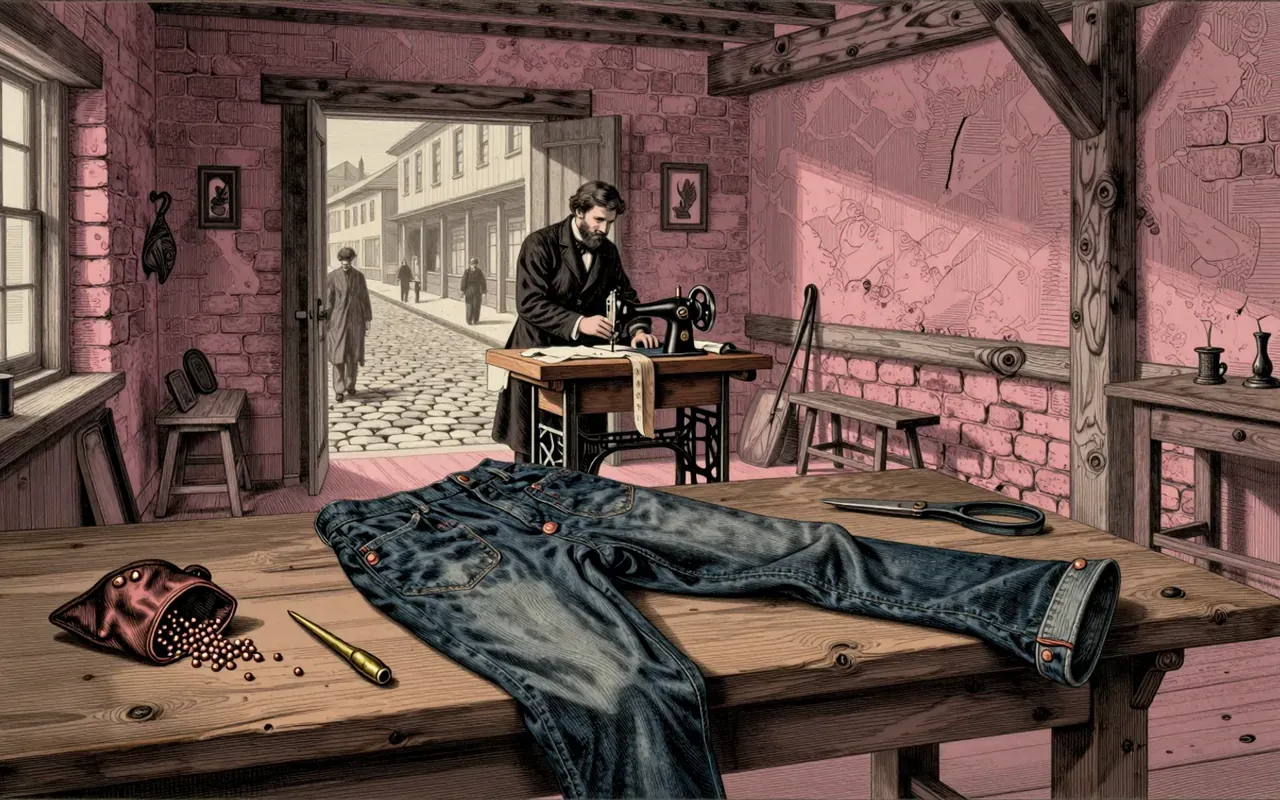
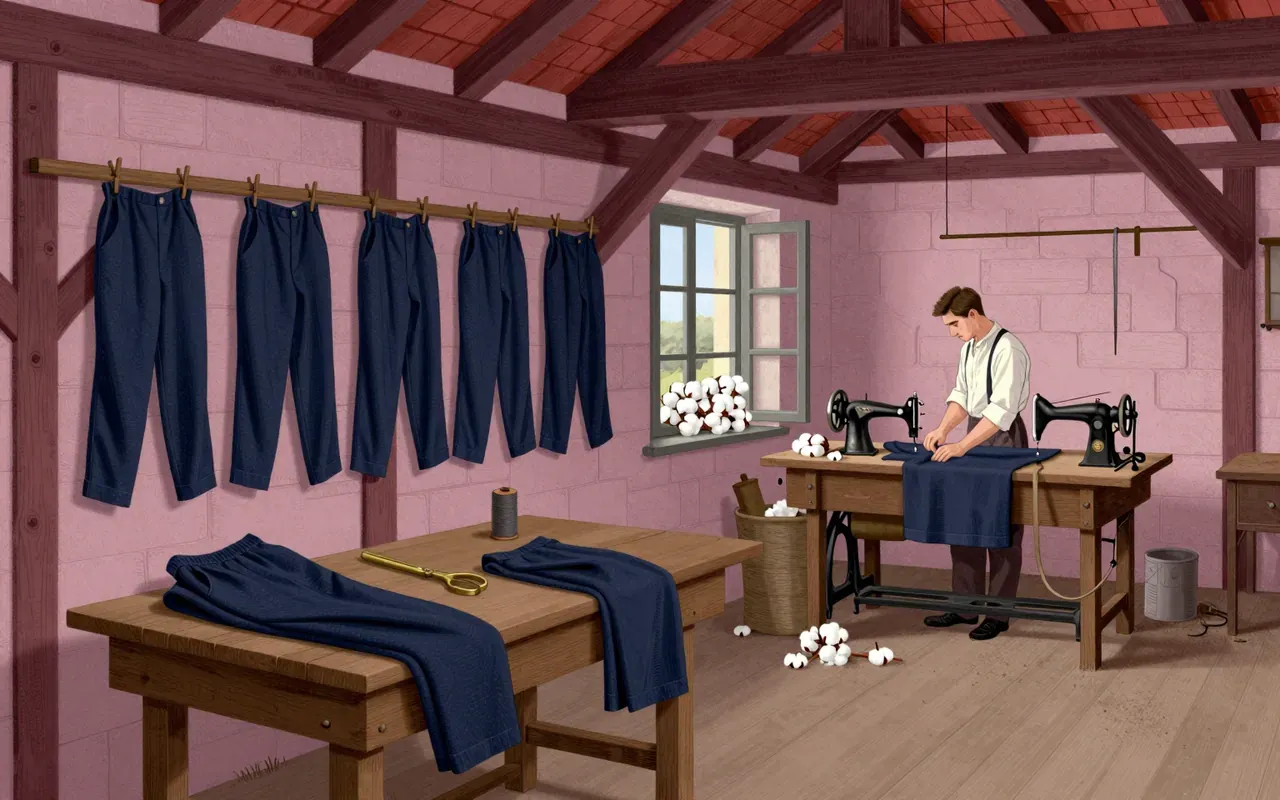
    Hugo Boss began not as a fashion label but as a family-run clothing shop in Metzingen, upgraded to a workwear factory in 1924.

  2. 2:19
    Three men, one factory

    It was co-founded by Hugo Ferdinand Boss and two partners — Albert and Theodor Bräuchle — with no national or international reach.

  3. 3:58
    From workwear to coercion

    By 1931, Boss had joined the Nazi Party; by WWII, the factory relied on 140 forced labourers.

  4. 5:28
    Seventy-seven years to say sorry

    The company joined a forced labour compensation fund in 2000 and issued its first statement of regret in 2001 — 53 years after the war ended.

Worth your time?

No. The brief is enough.

2.5/ 5
What works
  • as historical evidence
  • as a case study in delayed institutional accountability
What does not
  • culture/art
  • culture/arts
  • culture/cities
  • culture/food
Study it if
  • historians of German industry
  • students of corporate accountability
  • researchers of Nazi-era supply chains
Skip it if
  • fashion enthusiasts
  • design students
  • cultural trend watchers
The written brief1 min read

What the thing is

Hugo Boss in 1924 was a small-scale workwear factory in Metzingen, Germany.

Where it came from

It emerged from Hugo Ferdinand Boss’s takeover of his parents’ clothing retail business in Metzingen in 1922, then formalised as a manufacturing operation with Albert and Theodor Bräuchle in 1924.

What it gets right

It correctly identifies Hugo Boss as a German clothing manufacturer founded in Metzingen in 1924 with two partners, producing general-purpose workwear.

What it gets wrong

It misrepresents the 1924 entity as a fashion house or design-led enterprise. It was a provincial factory supplying durable garments to local tradespeople.

Why it matters now

It matters now because the company’s later complicity with National Socialism — joining the Nazi Party in 1931, employing 140 forced labourers during WWII, and issuing a statement of regret only in 2001 — forces scrutiny of how early industrial enterprises enabled authoritarian regimes.

Is it worth your time

No. It is not worth your time as a cultural object from 1924 — it was a small workwear factory, not a fashion brand, and had no public cultural presence at the time.
Same beat · Fashion4 of 113
11:00
CosplayCosplay is a materially grounded, globally dispersed performance practice rooted in two separate histories—one in US sci-fi fandom, one in Japanese anime culture. Its significance lies in how it turns representation into labour, and character into conduct.
8:18
Grunge (fashion)1980Grunge fashion was an anti-fashion statement rooted in mid-1980s Seattle’s music scene. It used durable, thrift-store clothing worn loosely and androgynously—especially flannel shirts and Doc Martens—to reject 1980s flash. Kurt Cobain’s blend of lumberjack workwear and vintage feminine dresses helped define it. By the mid-1990s, it had been commodified globally—most notably by Marc Jacobs for Perry Ellis in 1993. Its legacy is not authenticity, but the speed with which resistance becomes product.
8:50
GyaruGyaru is a Japanese fashion subculture rooted in the transliteration of 'gal'. It emerged as nonconformist resistance to traditional Japanese gender roles and beauty standards—particularly the expectation that women be housewives with pale skin and dark hair. Early associations included juvenile delinquency and frivolousness among teenage girls. Kogal culture, a defining variant, rose prominently in the Heisei era (1989–2019), peaking in the 1990s and early 2000s. It is currently experiencing a revival in the Reiwa era. The subculture includes a male counterpart, gyaruo. Its core visual ingredients are consistently cited as gaudy fashion, extreme makeup, and dyed hair.
10:21
Levi Strauss & Co.Levi Strauss · 1853Levi Strauss & Co. is a pragmatic infrastructure project disguised as clothing. It began as immigrant commerce, not craft. Its innovations were patents, lot numbers, trademarks — administrative tools that made reproducible, durable workwear. It did not define youth culture, nor did it seek cultural status. It solved problems for people who needed pants to last — and kept doing so, even when the problem changed.
Up next in Culture

Hummus

· 9:06

Hummus isn’t a flag — it’s a 700-year-old Levantine-Egyptian dish that got drafted into a conflict it never chose.

9:06